
The University of Miskolc organized the country’s first international partner meeting to prepare for the expected reopening of European Union research funding in November 2026. At the “Reconnecting with the EU” event, researchers and corporate experts from eleven countries discussed future joint projects and interdisciplinary research directions.
According to forecasts, European Union funding for research, education, and innovation may become available again in November 2026 for Hungarian higher education institutions that have transitioned to the new model, including the University of Miskolc. In preparation for these opportunities, the university was the first in the country to organize an international partner meeting, the primary goal of which was to breathe new life into previous collaborations, strengthen existing partnerships through in-person meetings, and explore new avenues for joint research, innovation, and project development.
At the “Reconnecting with the EU: Matchmaking and Networking Partner Meeting,” researchers, faculty members, and experts from the University of Miskolc, as well as from higher education institutions, professional organizations, and companies in Belgium, the Czech Republic, Greece, Poland, Germany, Morocco, Romania, Slovakia, Slovenia, and Serbia, among others, participated. The event thus provided an opportunity to present ongoing and planned research, develop ideas for joint projects, and hold one-on-one partnership discussions.
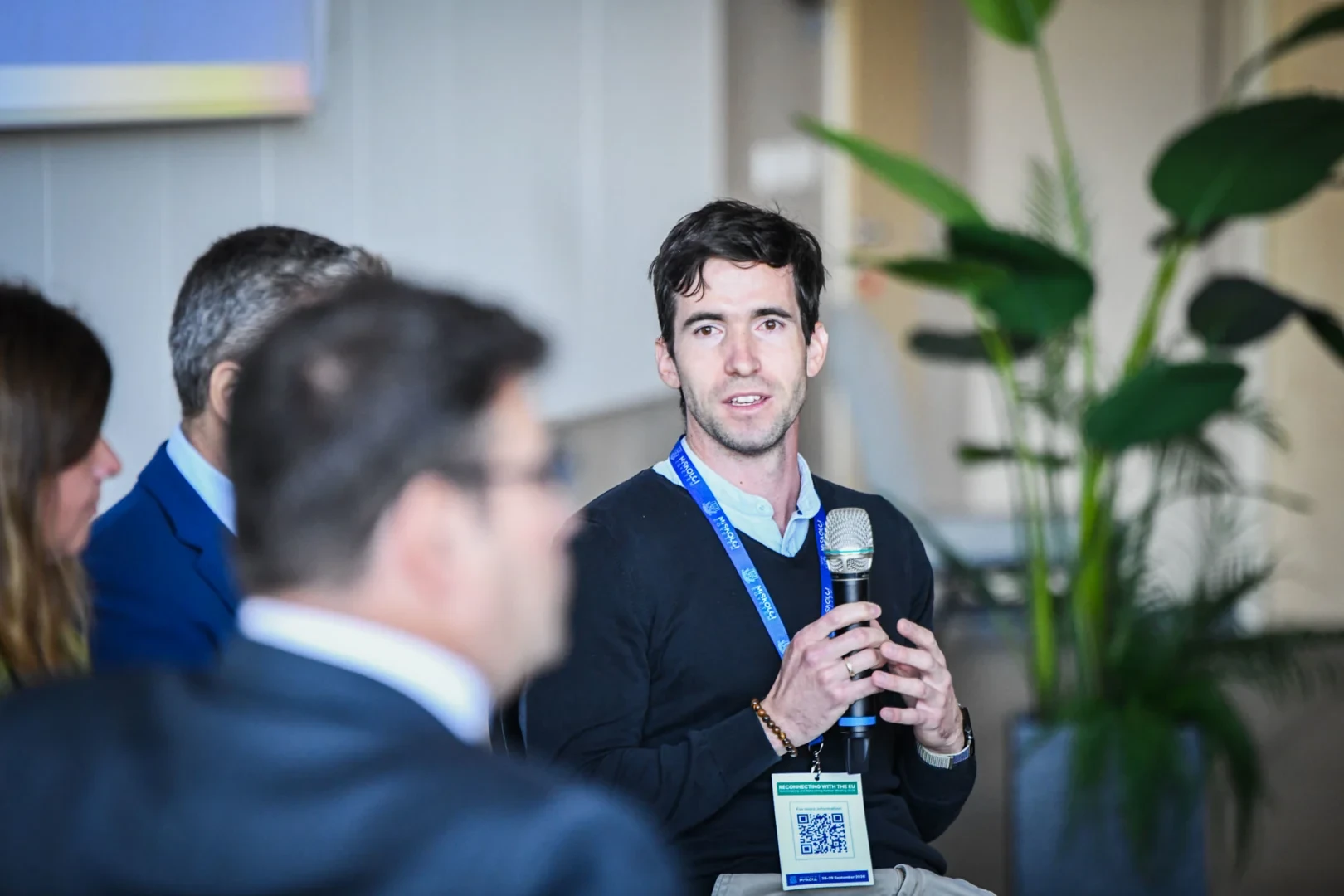
The spotlight has once again turned to classic European Union research and innovation programs—such as Horizon Europe, the Visegrad Fund, and EIT Raw Materials—in which the University of Miskolc has previously participated successfully. Participants in the international meeting thus approached the two-day program, held on September 28 and 29, 2026, with great anticipation, a wealth of ideas, and a spirit of initiative. Ongoing and planned research projects, as well as opportunities for collaboration, came to the fore, while thematic workshops and networking sessions provided an opportunity to explore the feasibility of joint project ideas.
The thematic sessions explored areas of education and research such as the region’s energy transition, sustainability and raw material production, digitalization, regional development, and the expansion of the innovation ecosystem.
The plenary presentations and roundtable discussion focused on the external and EU funding strategies, as well as the research and development strategies, of Hungarian higher education—with a particular emphasis on the University of Miskolc. István Gódor (Ministry of Science and Technology) presented government and national priorities in the context of science policy and innovation. Dóra Pivarcsiné Fekete (NKFIH) addressed international funding acquisition and grant success by outlining the opportunities offered by “Horizon Europe”; Bernadett Petri (MFOI) discussed accessing direct EU funding; and Virág Zsár (HETFA Research Institute) spoke about the development of partnership-building services. Jiří Sýkora (International Visegrad Fund) highlighted the importance of regional and industrial support through mobility and V4 grants, while Géza Kovács-Dobák (IBSH Kft.) shed light on it through the IPCEI programs.
Eleni Psochia (Monolithos Ltd.) and Edina Vadovics (GreenDependent Institute) illustrated international best practices and the challenges of multidisciplinarity through foreign and domestic projects, respectively. A roundtable discussion examining the strategic role and network expansion of the University of Miskolc featured Dariusz Janik (EIT KIC Raw Materials), Bernadett Petri (MFOI), Pavlos Tyrologou (European Association of Geologists), and Tamás Miklovicz (La Palma Research Center).

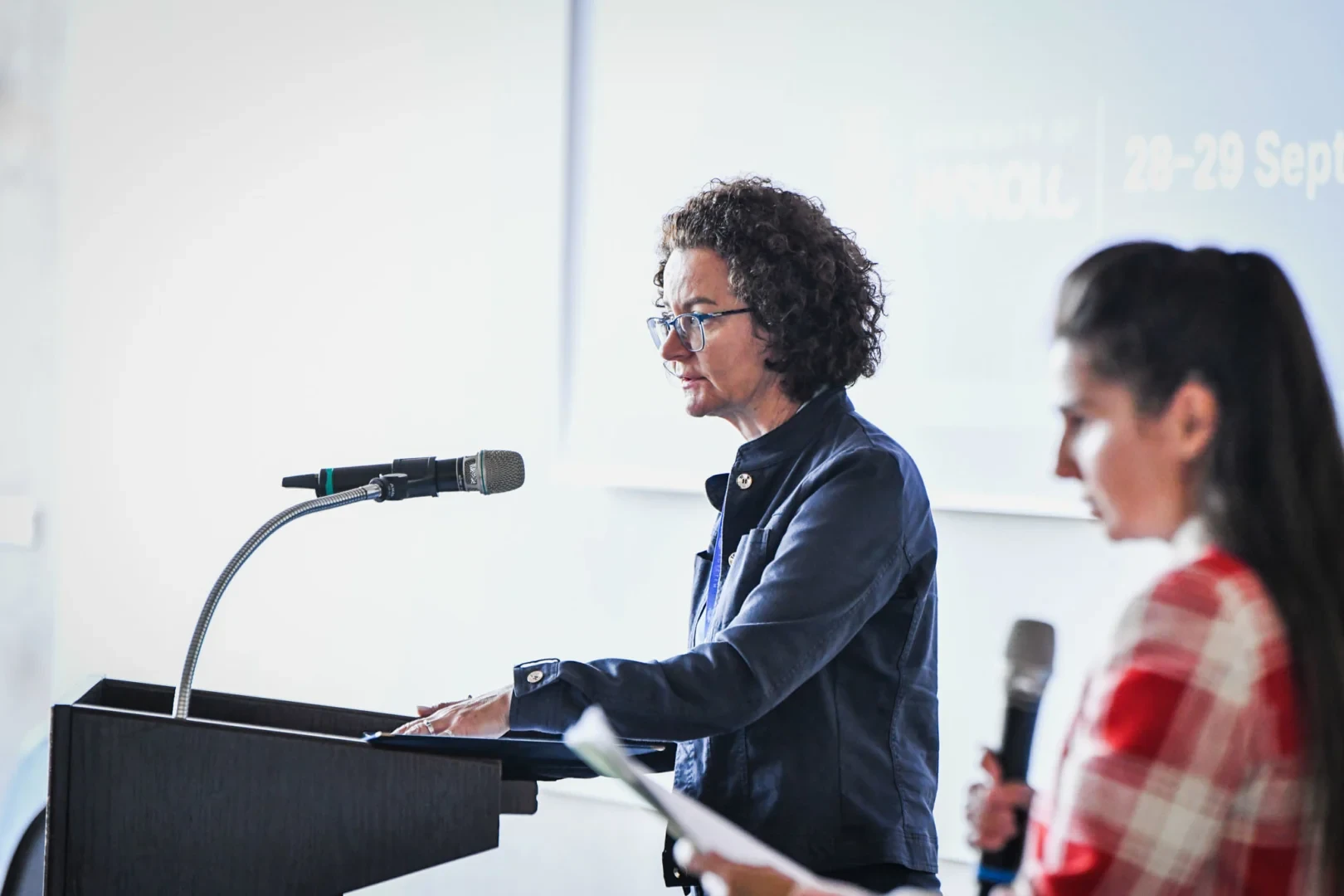
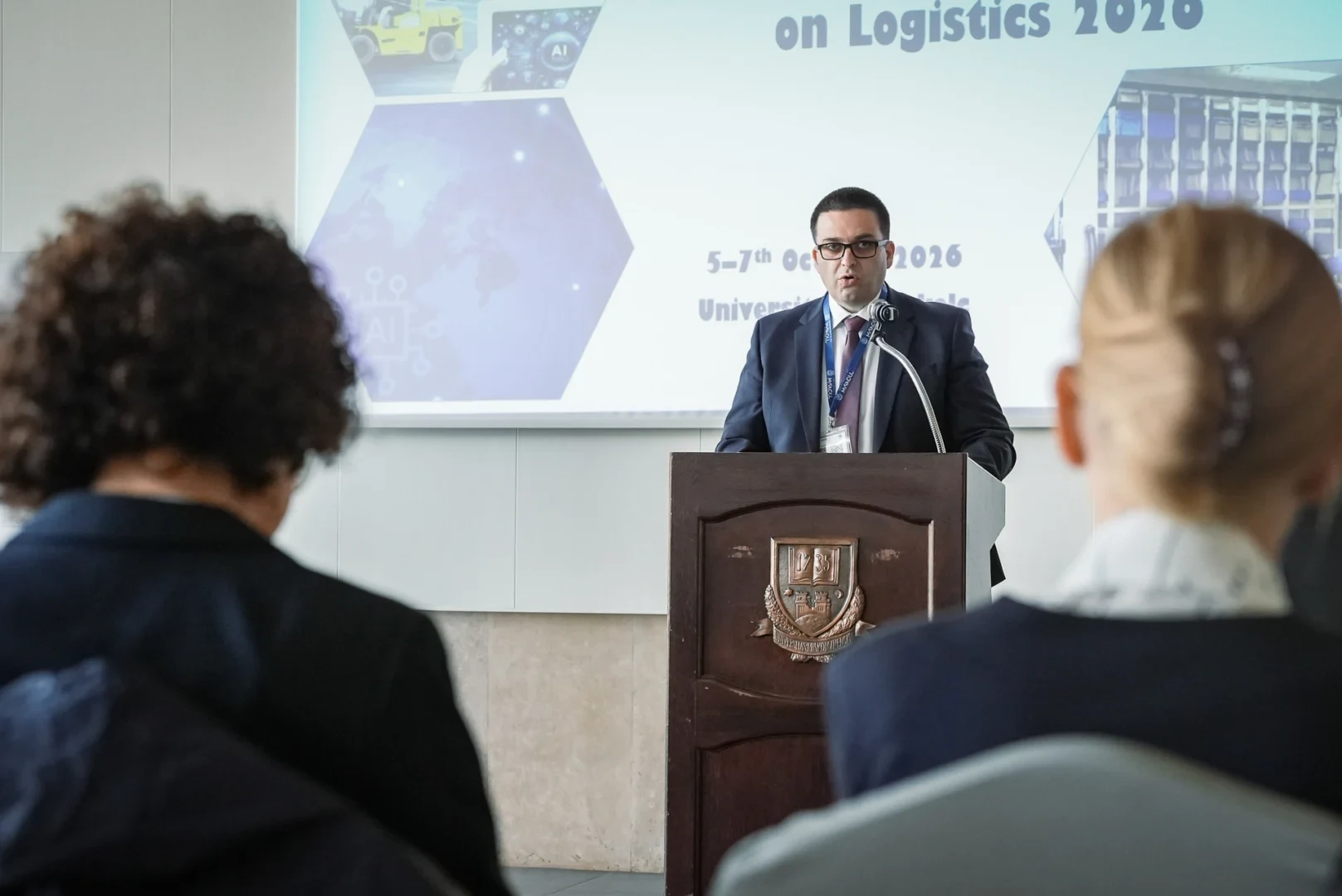
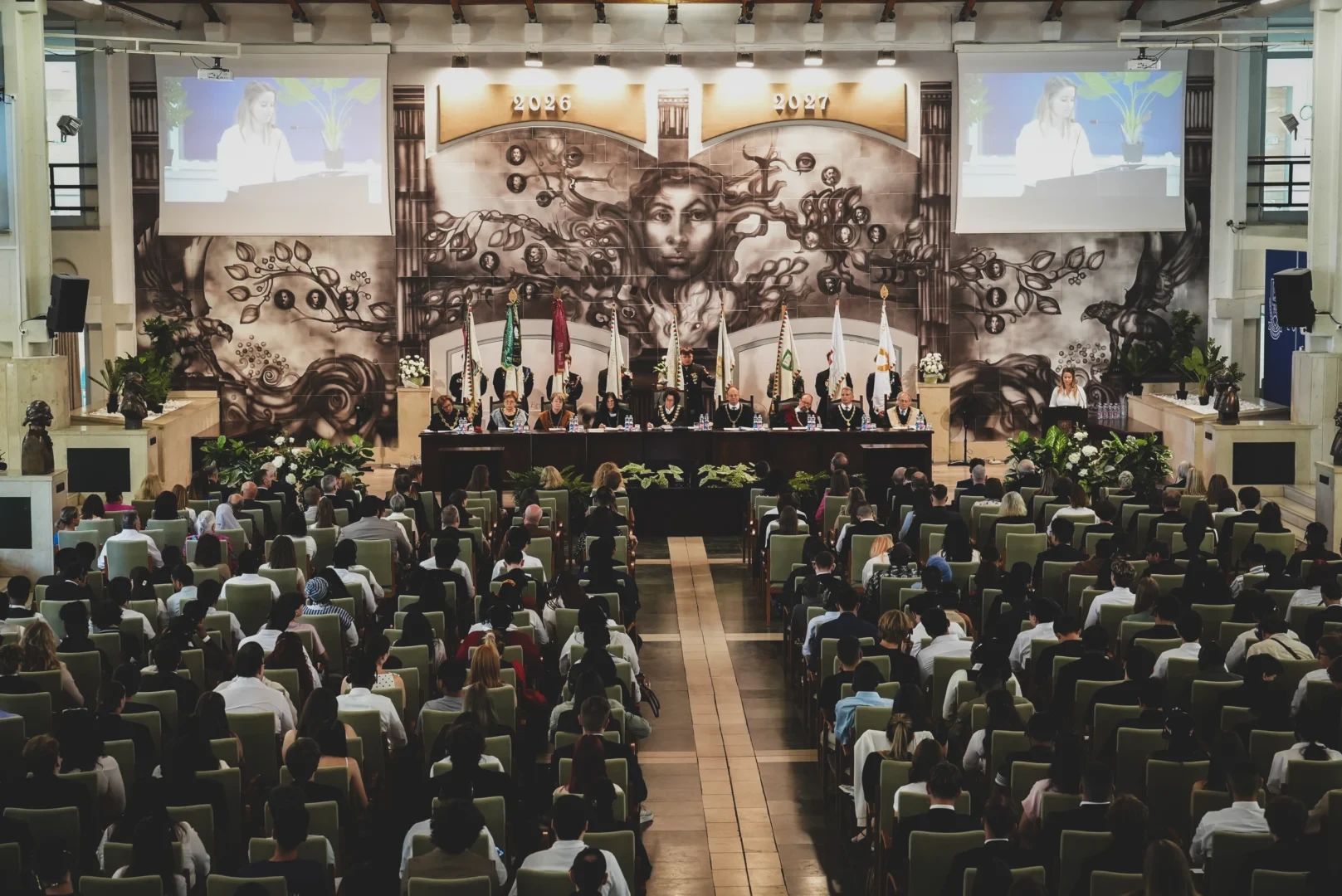
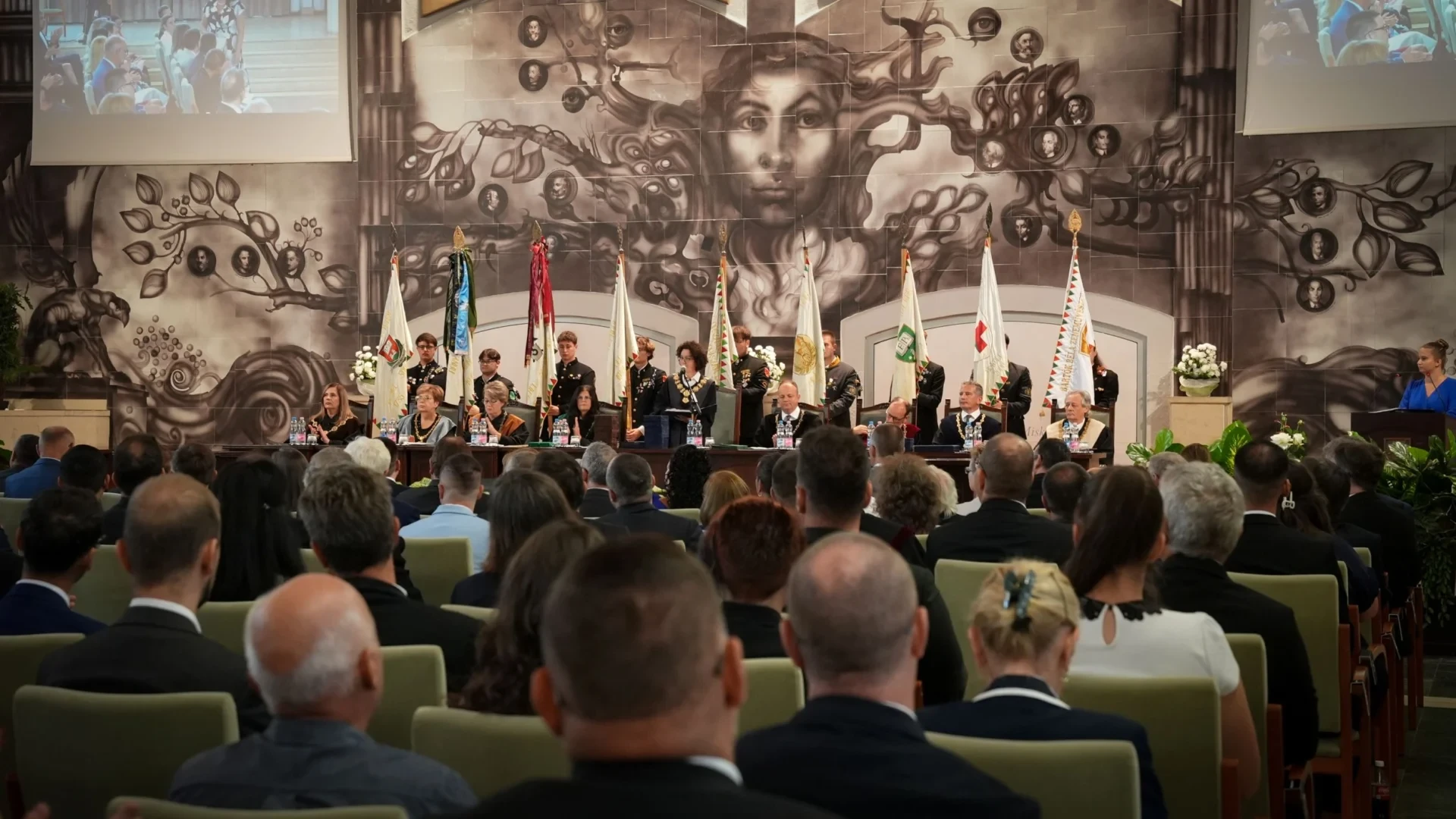
At the opening of the “Reconnecting with the EU: Matchmaking and Networking Partner Meeting,” Prof. Dr. Zita Horváth, Rector of the University of Miskolc, emphasized in her welcoming remarks:
“reconnecting” does not merely mean reestablishing previous relationships, but also developing new goals, areas of cooperation, and joint project ideas by building on existing trust and shared experiences.
The University of Miskolc’s broad range of academic disciplines—from engineering and the natural sciences through the economic and social sciences to the health sciences, humanities, and law—offers numerous opportunities for interdisciplinary and international collaboration.
Prof. Dr. Péter Szűcs, Vice Rector for Research and Innovation at the University of Miskolc, noted that in 2022, following the exclusion of “model-changing” universities from EU programs, the number of available grant opportunities for them dropped dramatically. At the same time, he emphasized that, with its educational and research capabilities, its achievements in international rankings, and its active international partnerships, the university is fully prepared in every respect to return as a full member to the EU project cooperation network.