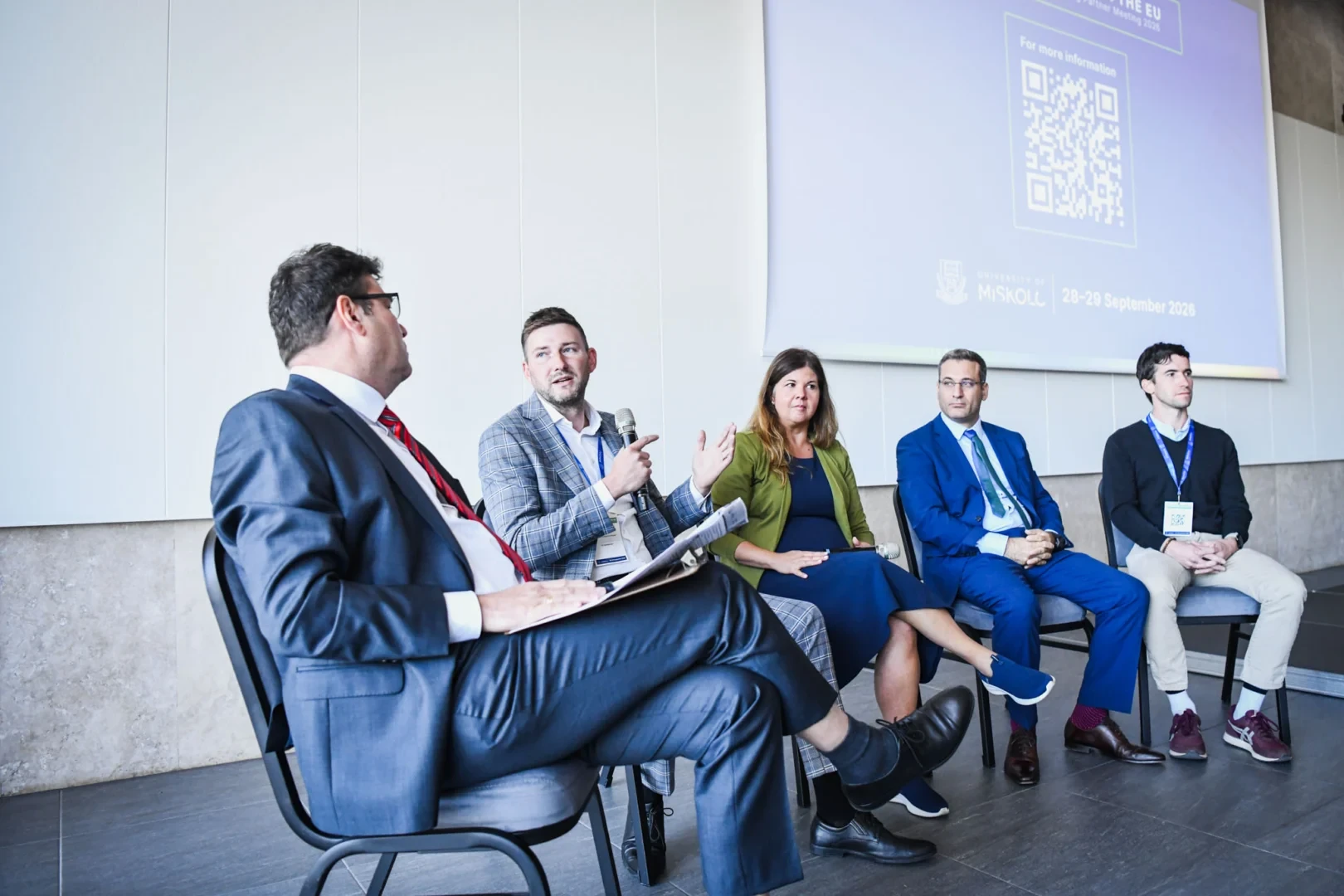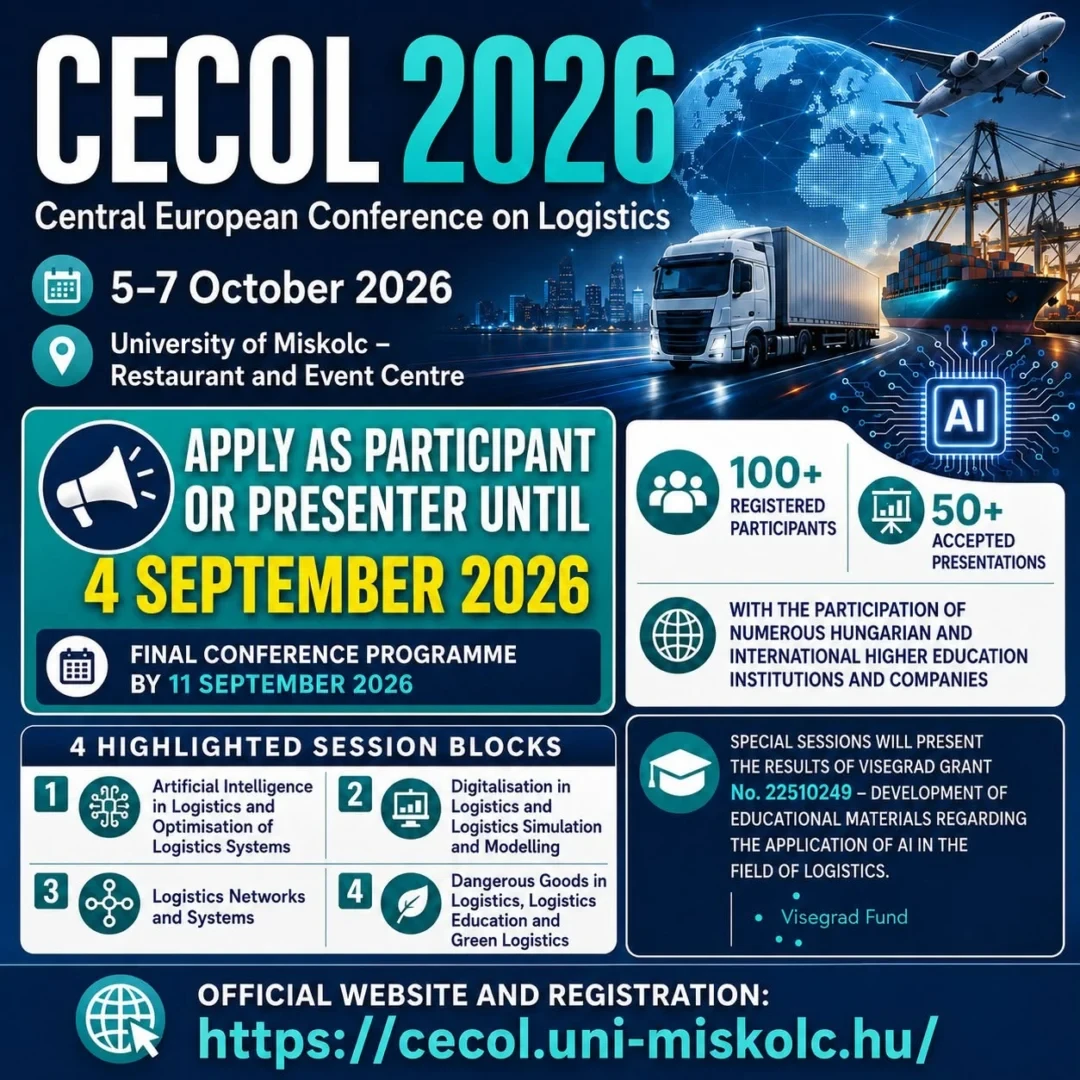

The University of Miskolc is hosting one of the region’s most significant logistics events: With the participation of more than twenty universities, research institutes, and companies from twelve countries, the CECOL 2026 International Logistics Conference (Central European Conference on Logistics) will be held at the University of Miskolc from October 5–7, 2026.
This year’s biennial conference will focus on digitalization, the application of artificial intelligence in logistics, and sustainability; as a new feature, a separate session will address the logistics of dangerous goods.
Organized by the Institute of Logistics at the University of Miskolc and the Logistics Section of the Hungarian Society for Mechanical Engineering, this biennial event brought the international industry’s leading experts to the campus. In addition to Hungary, the event featured participants from Austria, Croatia, Slovenia, Serbia, Romania, Slovakia, Poland, Germany, Albania, Kazakhstan, and Kyrgyzstan. Presentations were given by professors from, among others, the Graz University of Technology, the University of Zagreb, the Technical University of Cluj-Napoca, Otto von Guericke University Magdeburg, Babeș-Bolyai University, and the Kyrgyz State Technical University, as well as executives from East-West Intermodal Logistics Zrt., GraphIT Kft., and Royal Cargo Hungary, and an expert from the relevant ministry.
The CECOL 2026 conference will explore the following topics across eight sections: artificial intelligence in logistics, digitization, logistics simulation and modeling, optimization of logistics systems, logistics networks and systems, green logistics, logistics of dangerous goods, and logistics education. In addition to the session presentations, a poster session on the educational applications of artificial intelligence will be held on both days.
A highlight of the conference will be the presentation by participants in the Visegrad Grant project (“Development of educational materials regarding the application of AI in the field of logistics”), who are examining the role of artificial intelligence in logistics education. The scientific significance of the conference is underscored by the fact that, based on the presentations given, nearly 30 high-quality publications will be published in the internationally recognized, Scopus-indexed *Lecture Notes in Logistics* series, totaling more than 700 pages.
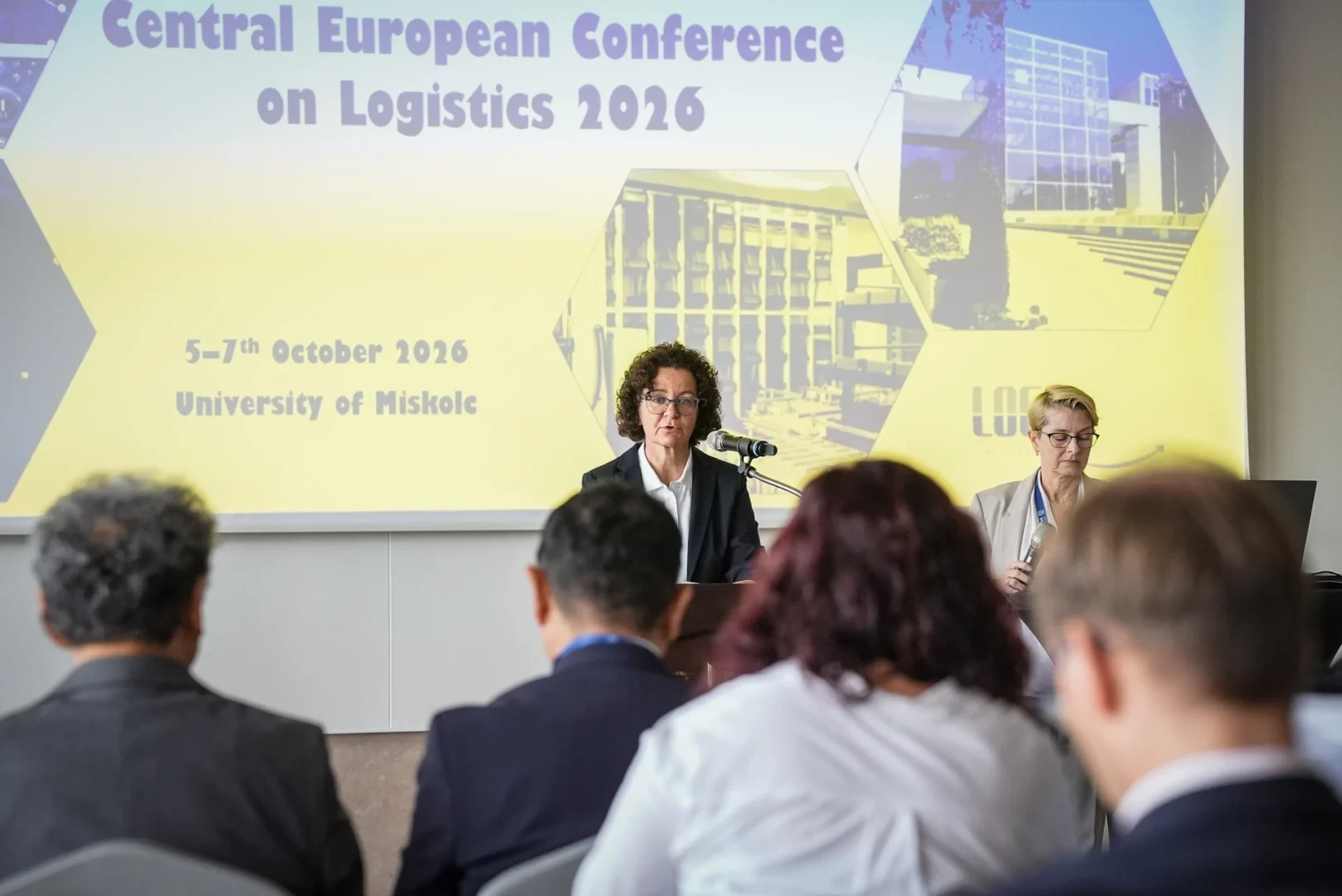
At the ceremonial opening of the conference, the host, Prof. Dr. Zita Horváth, Rector of the University of Miskolc, emphasized the importance of creating harmony between academia, education, and industry, noting that logistics requires complex and sophisticated engineering knowledge. She highlighted the significance of this approach in enabling cutting-edge scientific findings to be integrated into effective and competitive education.
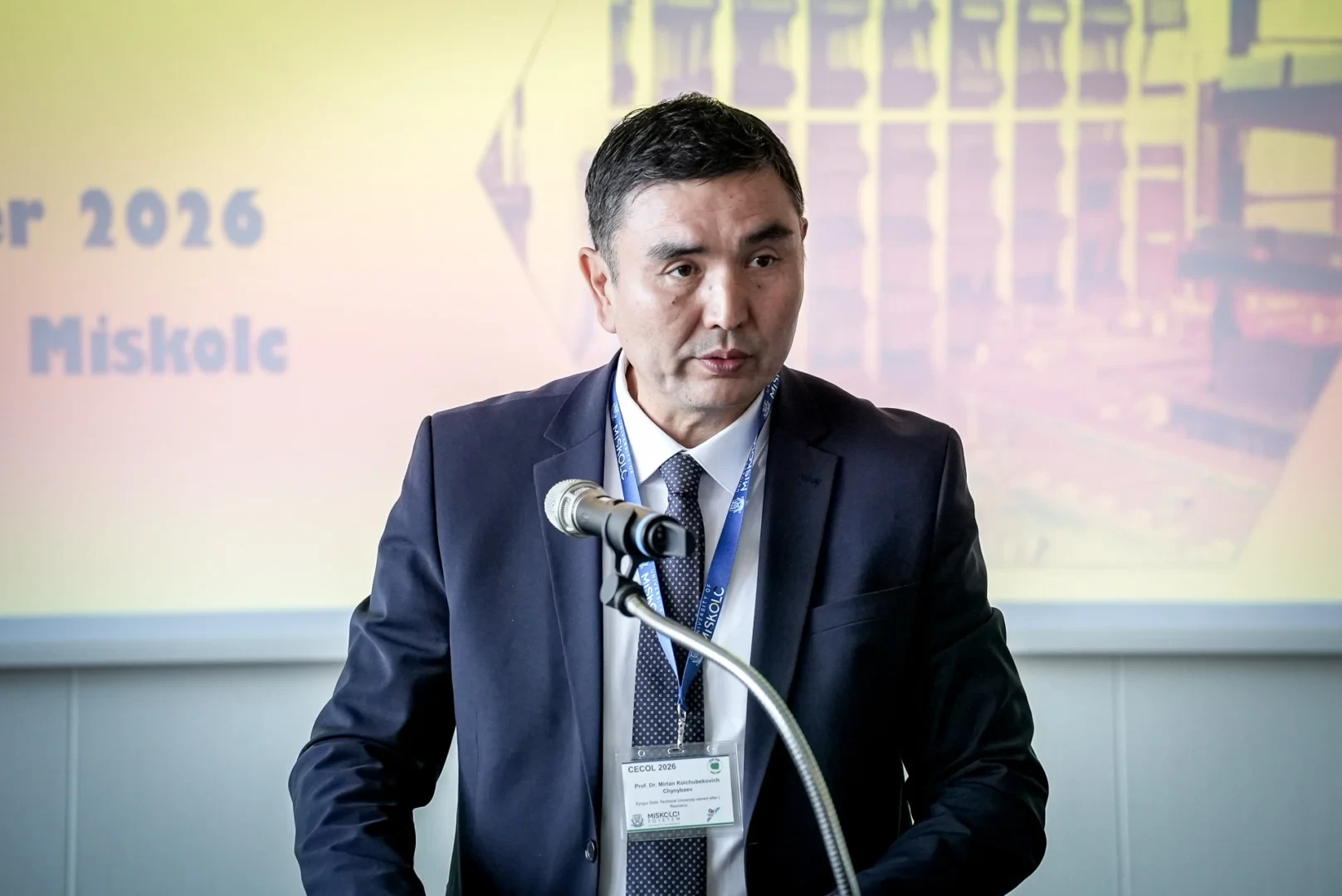
The rector of the Kyrgyz State Technical University, Prof. Dr. Mirlan Koichubekovich Chynybaev, spoke about cooperation that enables students to earn dual degrees between universities, which creates opportunities for academic mobility.
The Dean of the Faculty of Mechanical Engineering and Information Technology, Prof. Dr. Zoltán Siménfalvi, emphasized that the logistics program in Miskolc is unique within Hungarian higher education. Referring to the partnerships, he confirmed that the faculty is well-equipped to conduct industrial research thanks to its scientific activities and laboratory facilities.
Dr. Krisztina Bárdos, Executive Director of the Hungarian Society for Mechanical Engineering, referring to CECOL 2026, identified one of their most important tasks as linking industrial and scientific engineering knowledge, which must keep pace with the sector’s development. This is why the focus has now shifted to digitalization, the application of artificial intelligence in logistics, and sustainability.
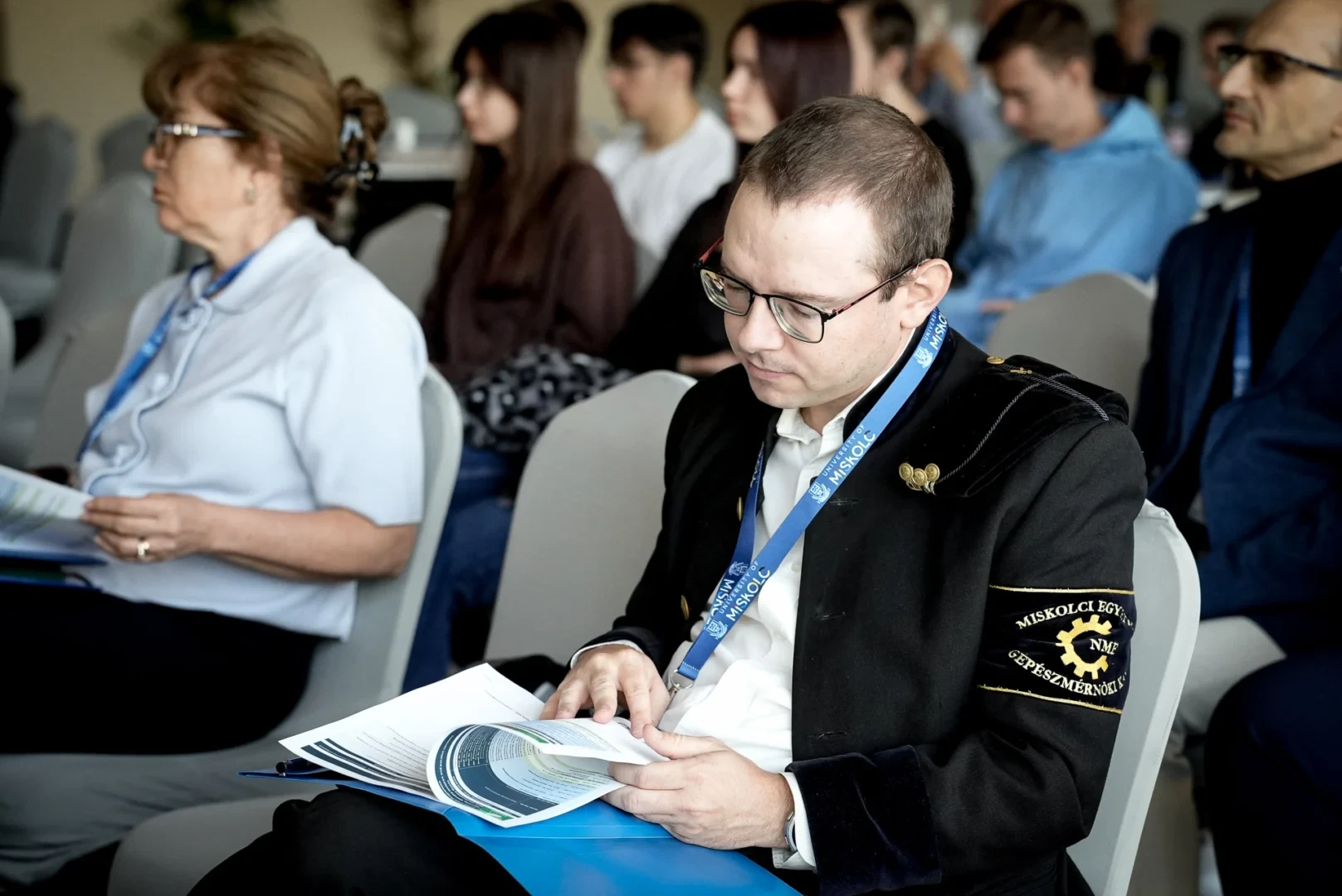
Prof. Dr. Péter Tamás, director of the Institute of Logistics at the University of Miskolc and chair of the CECOL 2026 organizing committee, spoke about the event in terms of numbers, stating: The conference brought together renowned researchers and corporate experts from 12 countries representing more than 20 institutions, including 14 universities and colleges. Over the course of three days, experts can expect more than 50 presentations across two plenary sessions and four parallel sessions, in addition to 10 poster presentations as part of the “AI in Logistics Education” program. In addition to professional discussions, the event also provides opportunities for networking and exploring the university’s infrastructure: on the final day of CECOL 2026, international and domestic guests will take part in a university campus tour and a visit to modern laboratories.