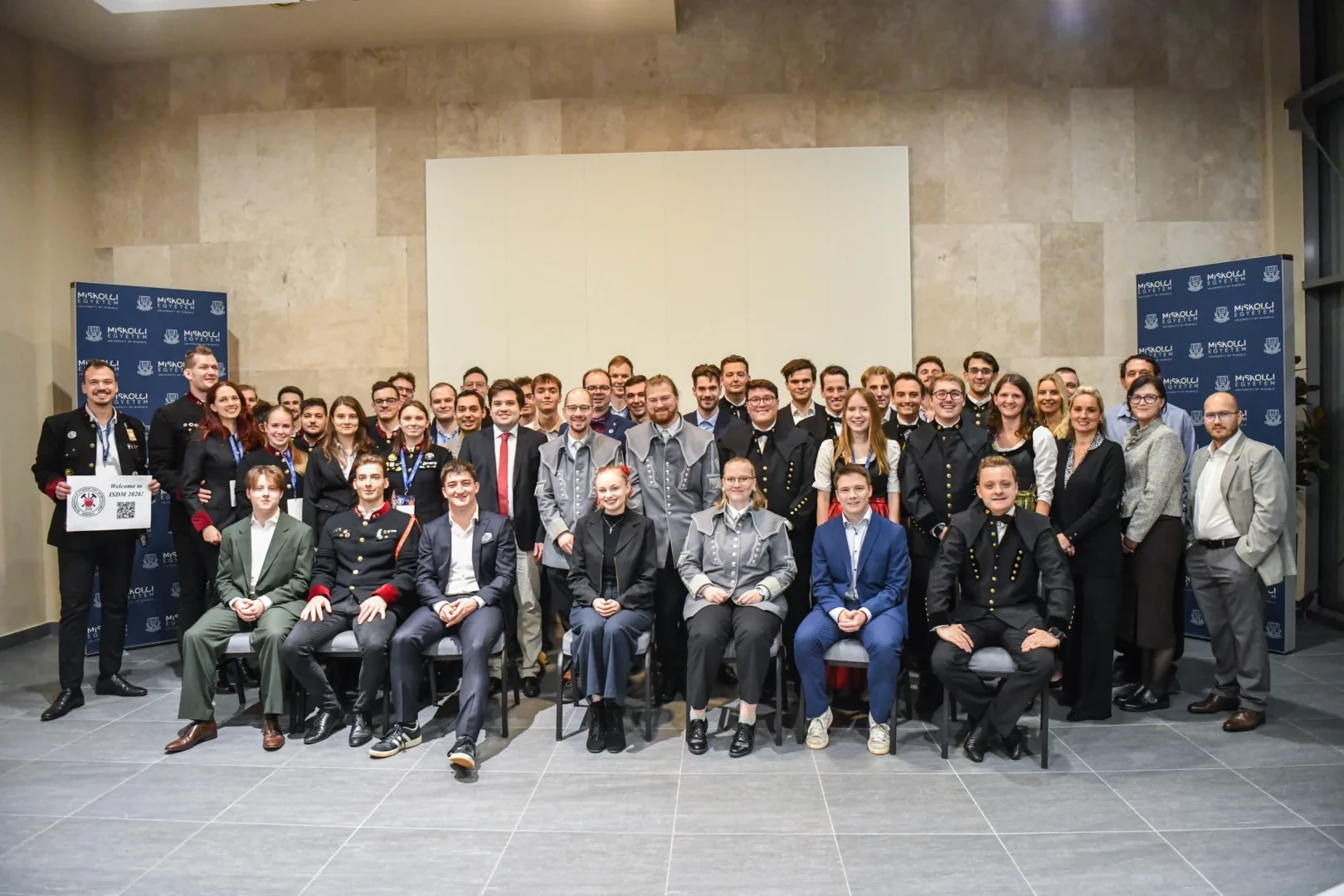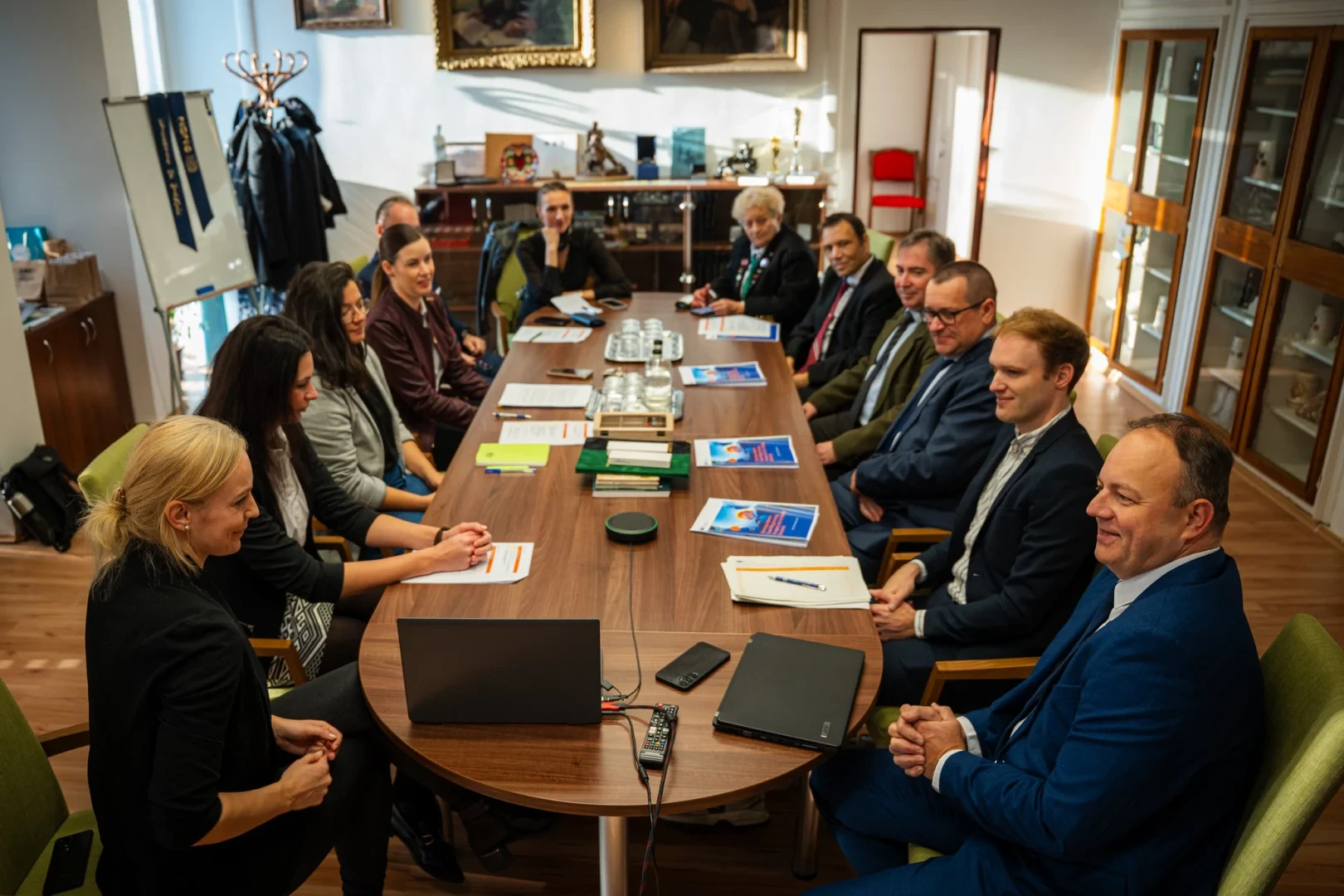

The Department of Geophysics at the University of Miskolc celebrated the 75th anniversary of its founding with an “Inversion Symposium,” a professional conference showcasing the latest findings in geophysical inversion methods and their applications in the earth sciences, the environment, and industry.
The two-day event, held on November 9 and 10 at the headquarters of the Miskolc Academic Committee and at the University of Miskolc, provided an opportunity to offer insight into the theoretical aspects of inversion methods through the 75-year history of geophysical education and research in Miskolc, the results of seismic, electrical, and magnetic geophysical research, as well as their applications in geothermal, hydrogeological, and hydrocarbon exploration.
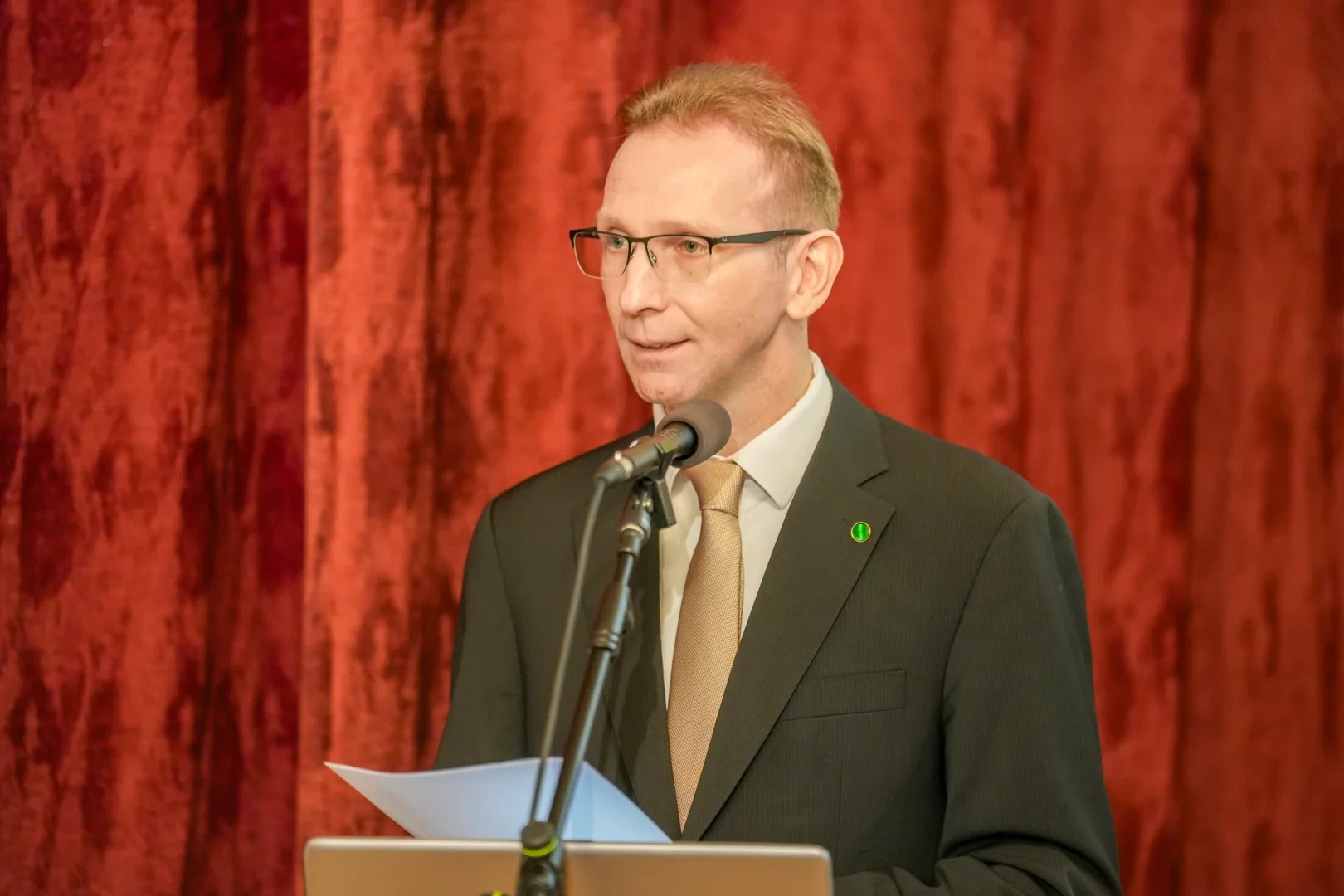
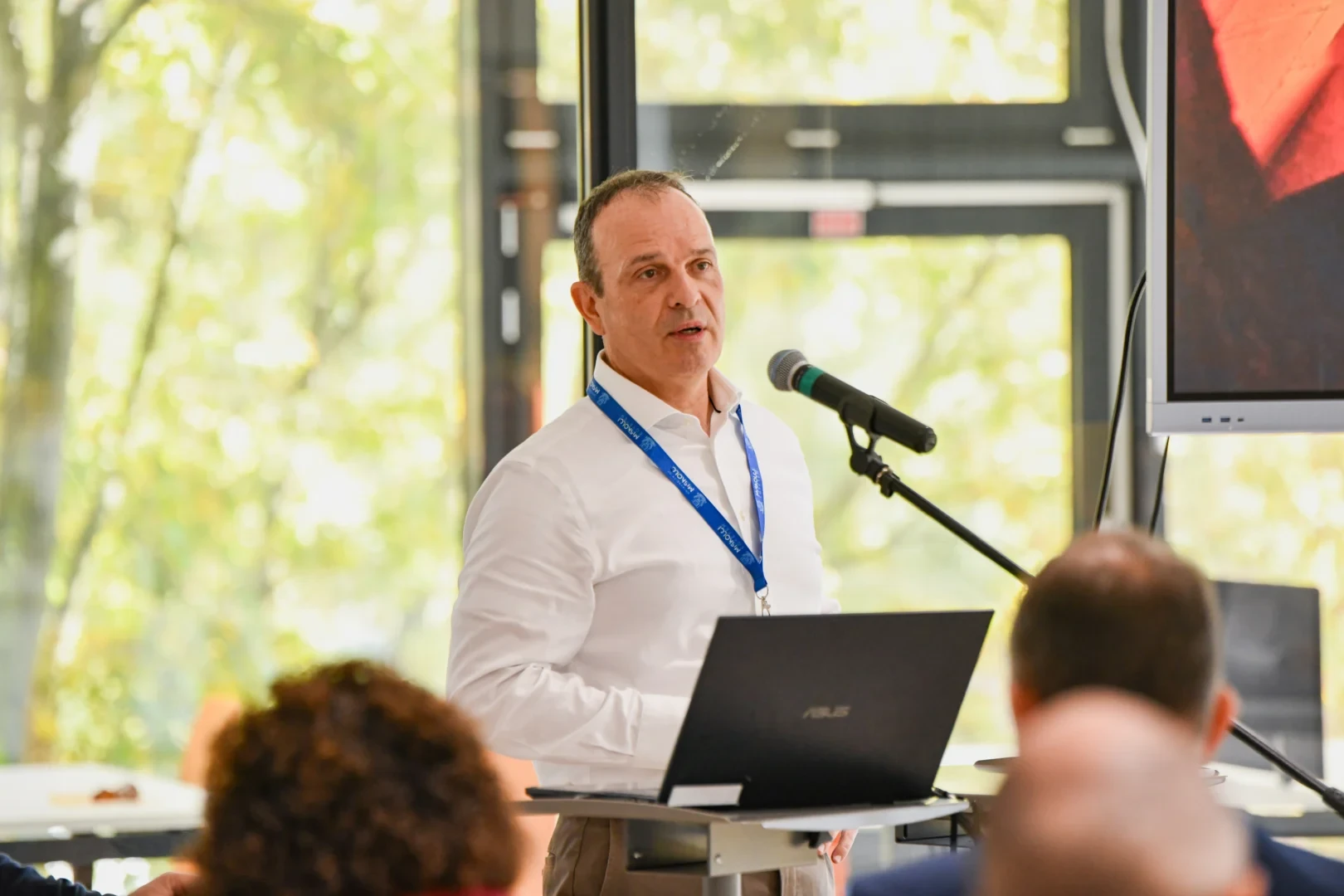
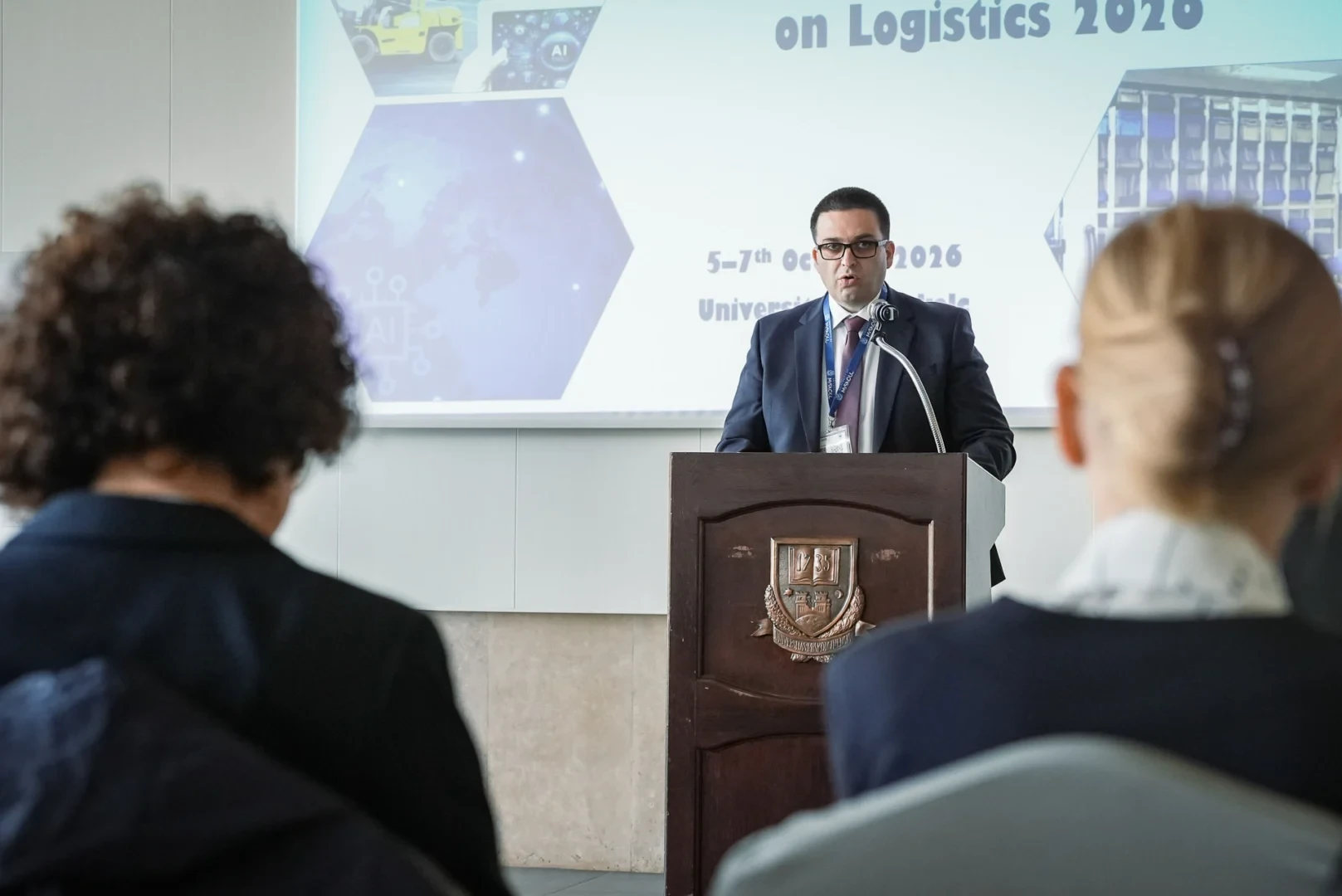
On the opening day of the conference, speakers provided a comprehensive overview of the 75-year history of the Department of Geophysics at the Institute of Earth Sciences for Raw Materials Research at the University of Miskolc, highlighting how the Miskolc geophysics workshop became one of the recognized centers of domestic and international earth science research. Prof. Dr. Péter Szűcs, Vice Rector for Innovation and Research—who himself graduated as a geophysicist from Miskolc—referred to this in his welcoming remarks.
As he emphasized, the scientific excellence and international recognition embodied by the department remain two key pillars of the university’s strategy through 2030.
Prof. Dr. Gábor Mucsi, Dean of the Faculty of Engineering, Earth, and Environmental Sciences, spoke about the challenges facing new generations of professionals, emphasizing his conviction that
“adapting to a changing world” opens up new opportunities for geophysics,
which now plays a key role not only in mineral exploration but also in geothermal energy utilization, hydrogeology, environmental protection, and digital earth science modeling. The department therefore equips students with the skills necessary to solve real-world problems, as well as a solid foundation in the natural sciences and information technology, so that they can serve the needs of industry.
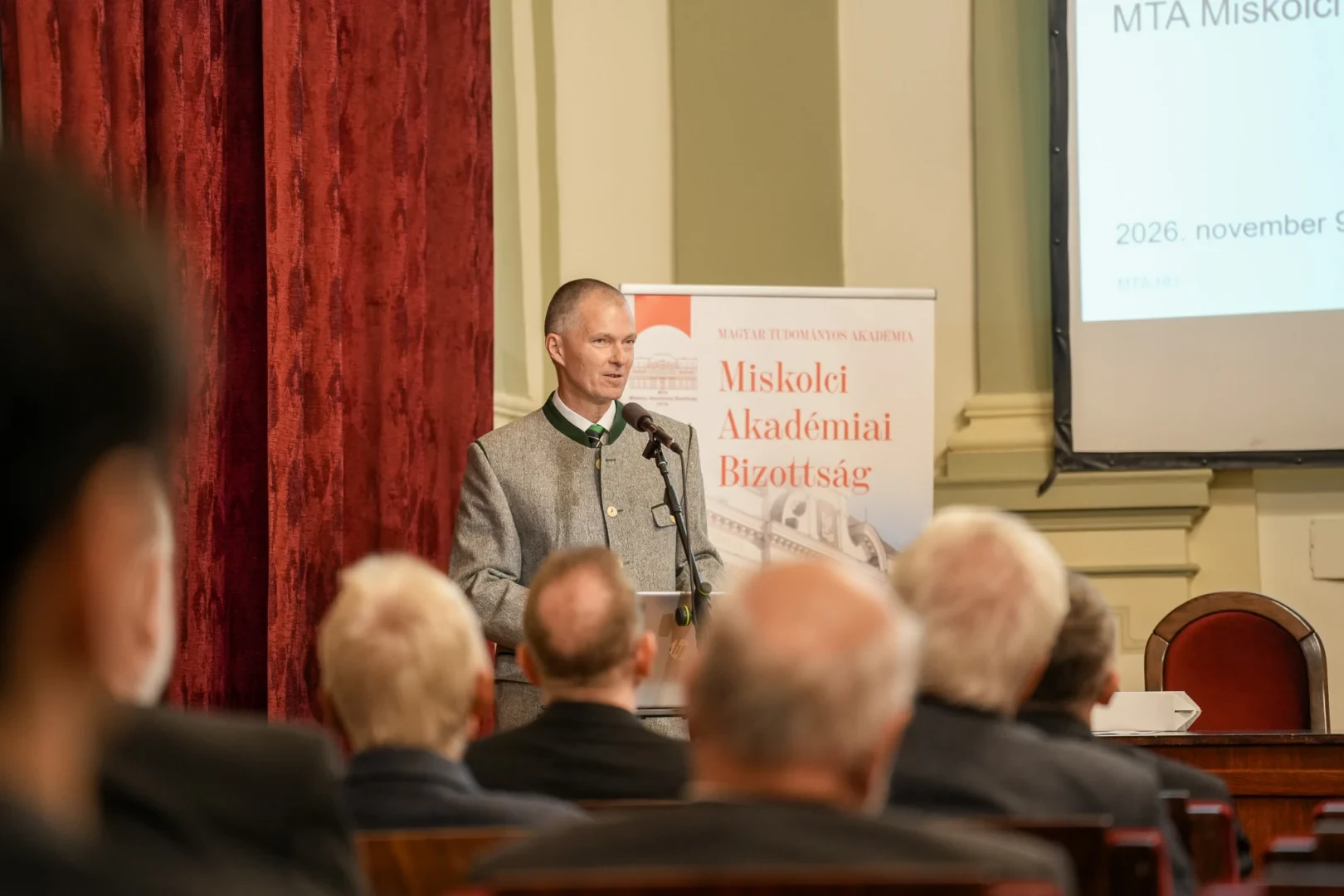
Dr. Ferenc Mádai, director of the Institute of Earth Sciences for Raw Materials Research, highlighted the importance of methods based on machine learning as he looked toward the future. In this context, he also mentioned the international innovation award that their students recently won in this field.
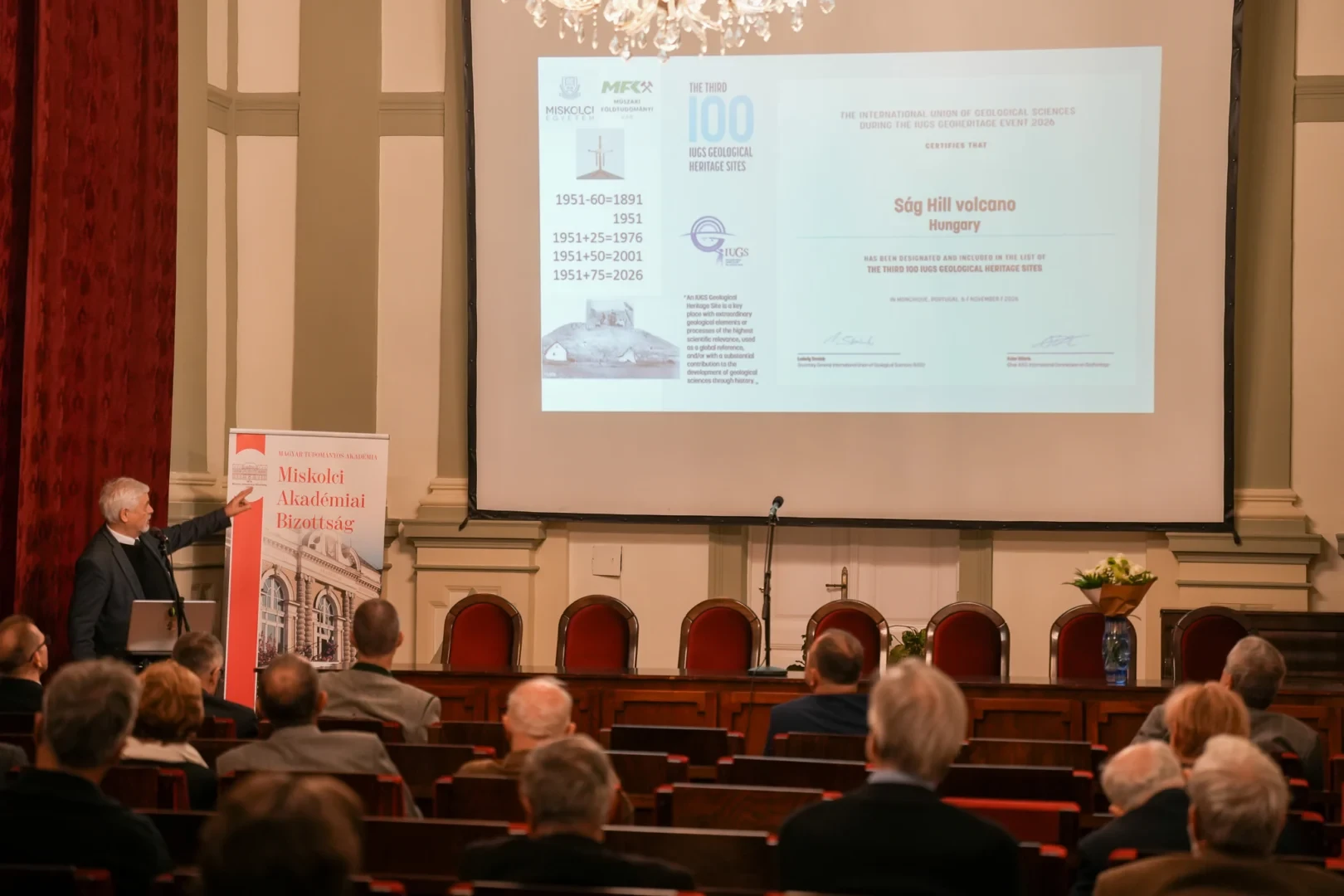
Regarding the work of Loránd Eötvös, who charted a new course in geophysical research, László Szarka, a full member of the Hungarian Academy of Sciences (MTA), cited the inclusion of Ság Hill among the world’s 100 most important geological heritage sites as a professional achievement. Lajos Völgyesi, a full member of the Hungarian Academy of Sciences (MTA), recalled the roots of geophysics in Selmecbánya on the occasion of the 75th anniversary of the Department of Geophysics, while Gábor Timár, head of the Department of Geophysics and Space Sciences at ELTE, emphasized the importance of collaboration among scientific workshops that “represent a different way of thinking” in developing effective problem-solving methods. In her closing remarks, Anna Jarzyna, Professor Emerita of the Department of Geophysics at AGH University of Science and Technology in Kraków, praised the sister department’s achievements in theoretical and applied research, as well as its role in the international geophysical community.
Following the welcoming remarks, Dr. István Havasi, associate professor at the Institute of Geography and Geoinformatics and the professor who established the geophysical engineering program as an independent field of study, gave a lecture on the work of Antal Tárczy-Hornoch (1900–1986).
A Vision for the Future in Light of the Results
In his lecture titled “75 Years of Geophysical Education and Research in Miskolc—Results and Perspectives,” Prof. Dr. Norbert Péter Szabó, head of the Department of Geophysics, recalled that the roots of geophysics education date back to the 1930s, while the foundations for independent training of geophysicists were laid by the mining research engineering program launched in Sopron in 1947. The Department of Geophysics was established in 1951 under the leadership of Academician Károly Kántás, and then moved to Miskolc in 1959. Over the past seven and a half decades, the department has played a pivotal role in ensuring a steady supply of professionals in the fields of mineral resources, energy, and water research in Hungary, while continuously adapting to scientific and technological changes.
“The most important asset of the Miskolc School of Geophysics is its ability to apply the knowledge accumulated over more than seven decades to address the social, economic, and environmental challenges of the present and the future,”
stated Prof. Dr. Norbert Péter Szabó. As he explained, the research group has achieved internationally recognized results in numerous fields, including electromagnetic geophysical methods, mining geophysics, geophysical inversion and tomography, rock physics modeling, geostatistics, and engineering and environmental geophysics. Notable developments include advancements in magnetotelluric and frequency sounding methods, the development of proprietary measuring instruments, and the refinement of sequence analysis and joint inversion techniques. The department’s researchers have also achieved significant results in the fields of hydrogeophysics, the study of subsurface water resources, the exploration of critical raw materials, and archaeological geophysics. This research has been supported by numerous OTKA programs, European Union projects, and international collaborations, while doctoral training and the development of the next generation of scientists have also continued to strengthen.
Speaking about future challenges, Prof. Dr. Norbert Péter Szabó emphasized that digital technologies, artificial intelligence, advanced data processing methods, and research based on the analysis of large datasets are opening up new opportunities for geophysics. The department’s strategic goal is to further strengthen its international ties, develop its research infrastructure, and actively contribute to the scientific foundation of sustainable water and raw materials management, as well as the energy transition.
The Inversion Survey 2026 event is organized by the Department of Geophysics at the Institute of Earth Sciences for Raw Materials Research at the University of Miskolc, the MGE Northern Hungary Group, the Earth Sciences Working Committee of the MTA MAB, the Geoinformatics and Spatial Informatics Working Committee of the MTA MAB, and the EAGE Miskolc Student Chapter.