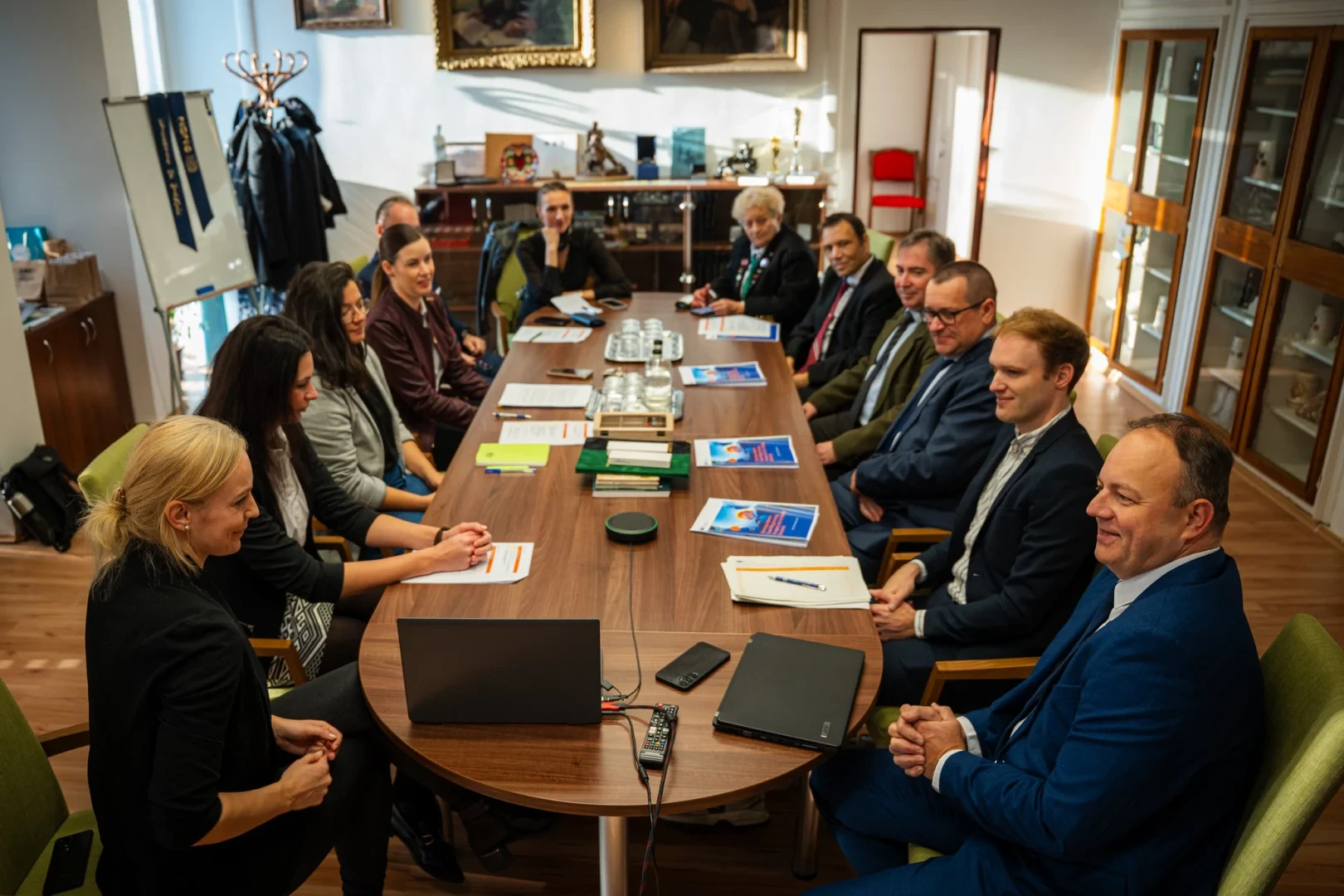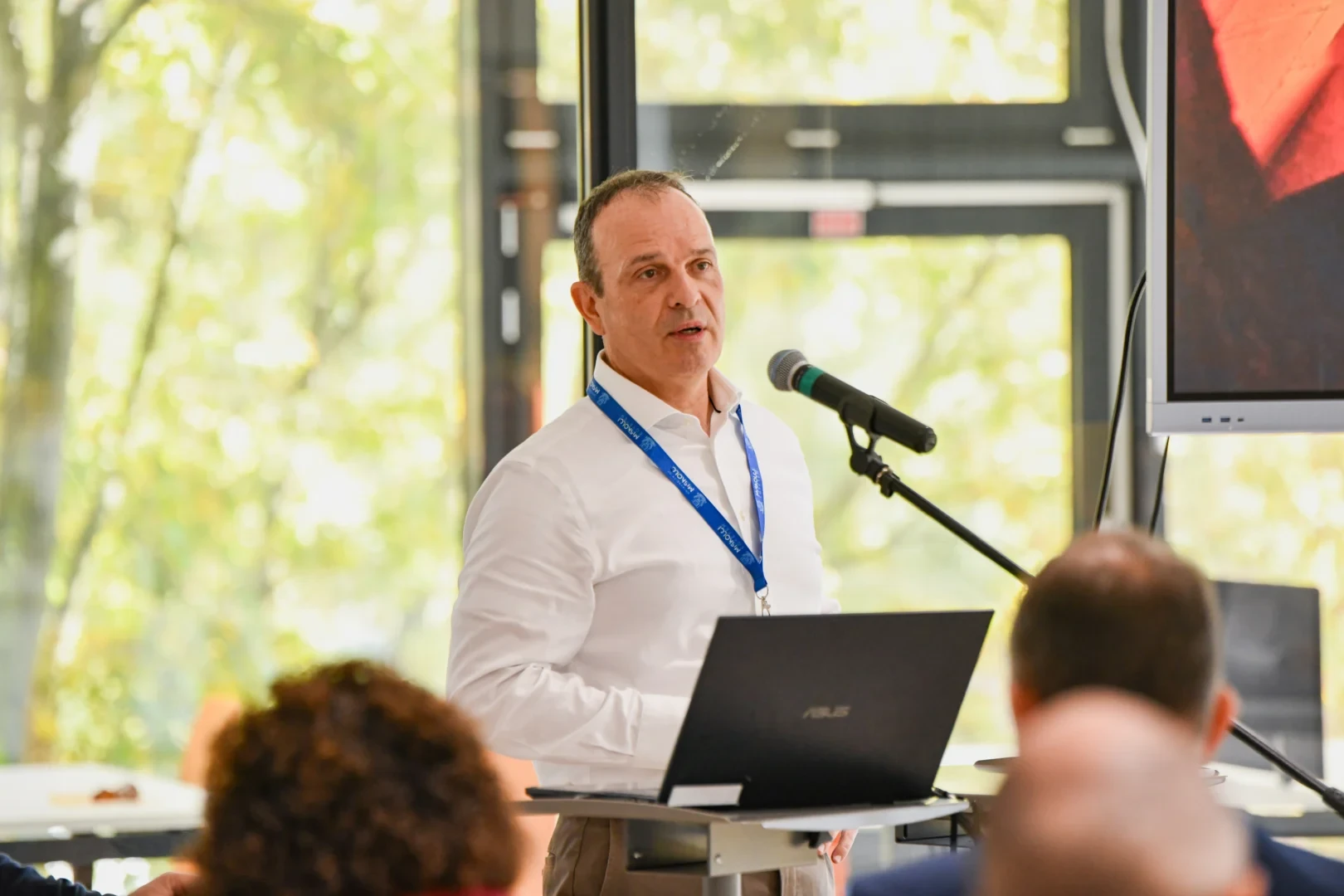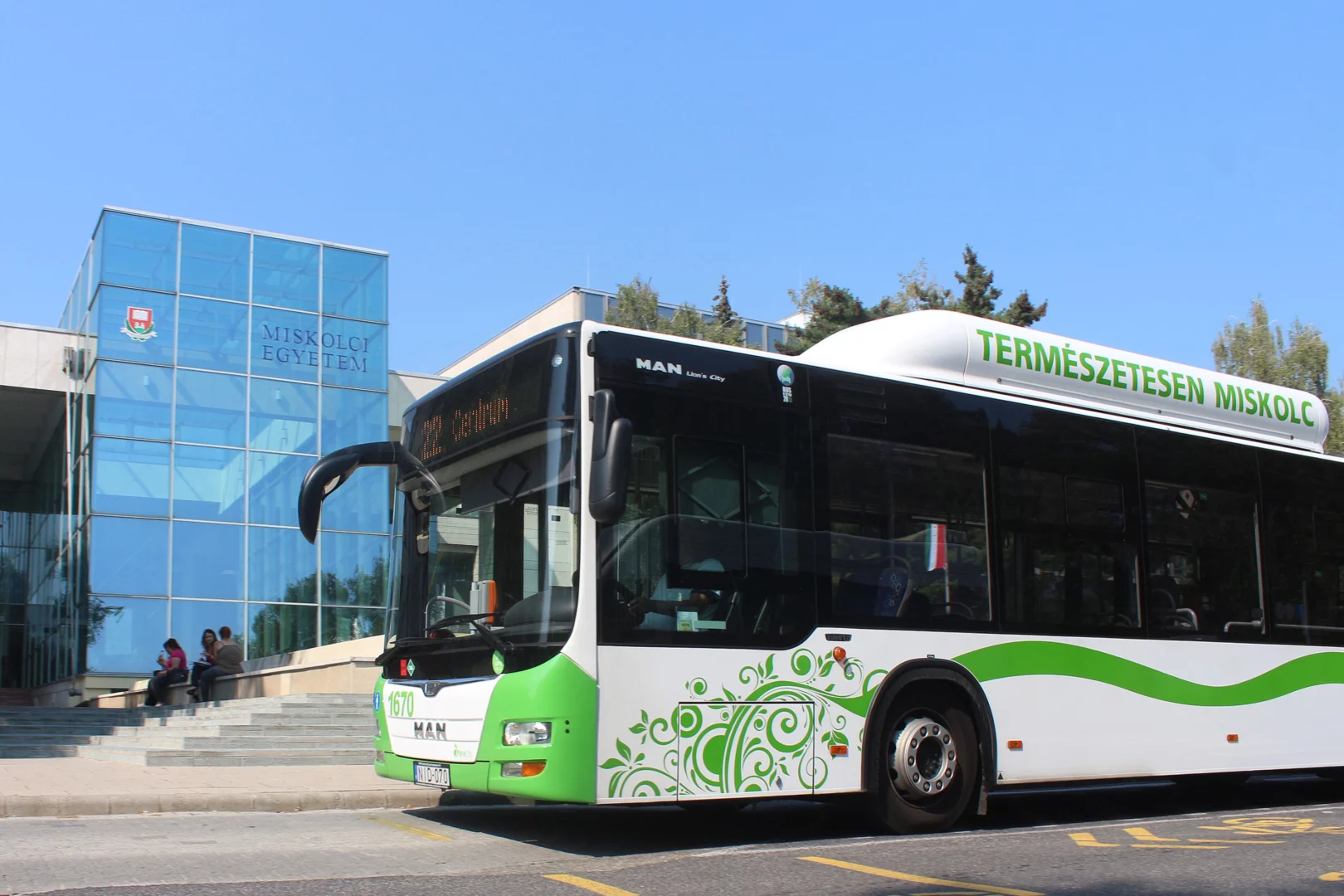

The University of Miskolc can contribute to the development of the new, emerging hydrogen technology industry with its creative expertise and multidisciplinary scientific and research background, according to remarks made at the professional event titled “Opening Up to Hydrogen Technology,” organized by the Faculty of Engineering, Earth and Environmental Sciences and the Hungarian Hydrogen Technology Association (H2 Open) – “Opening Up to Hydrogen Technology,” which explored the business, innovation, and supplier opportunities inherent in the hydrogen economy.
Among other topics, the meeting covered hydrogen production, energy storage, and hydrogen-based applications, as well as the opportunities available to businesses to become involved in value chains related to this new technology.
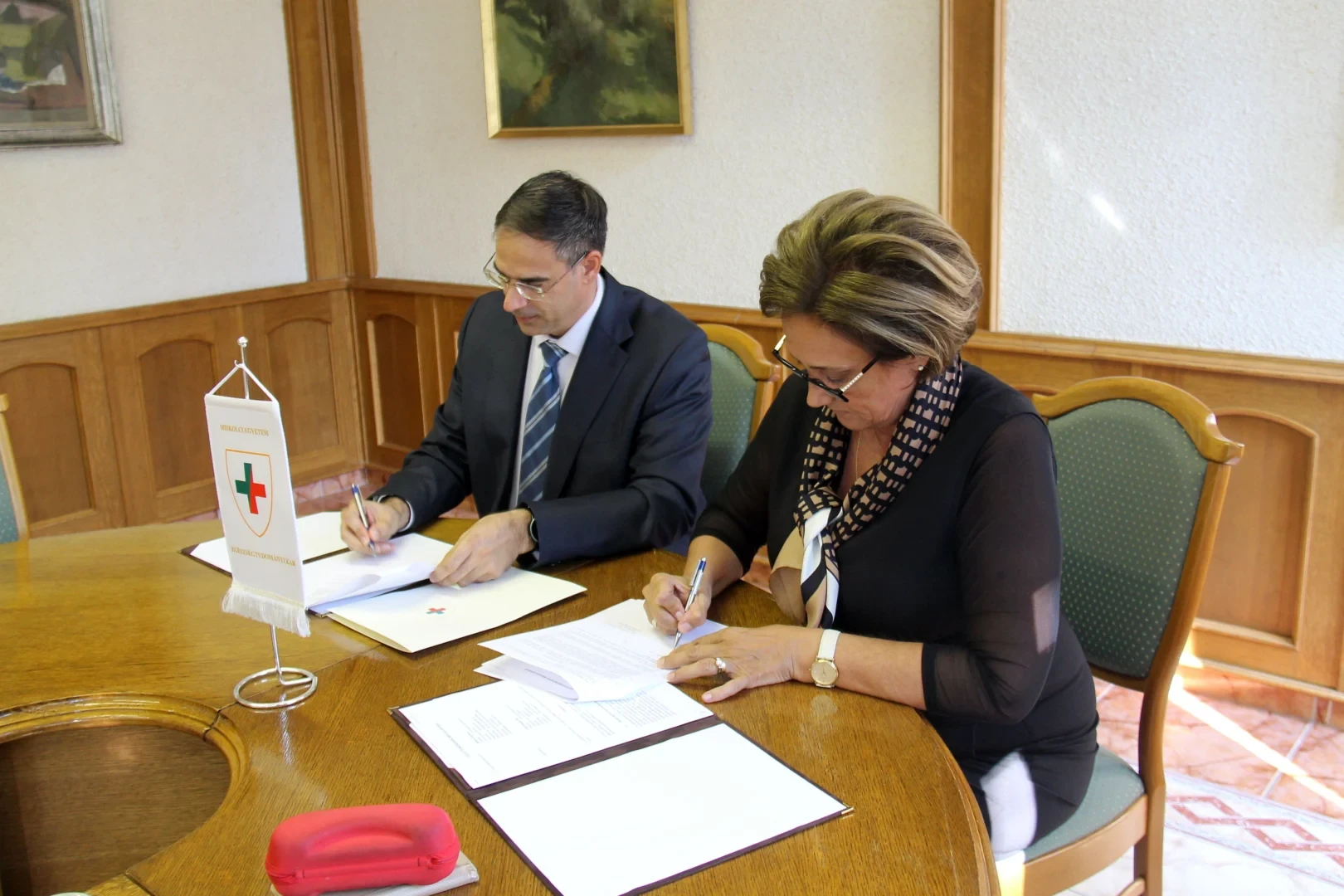
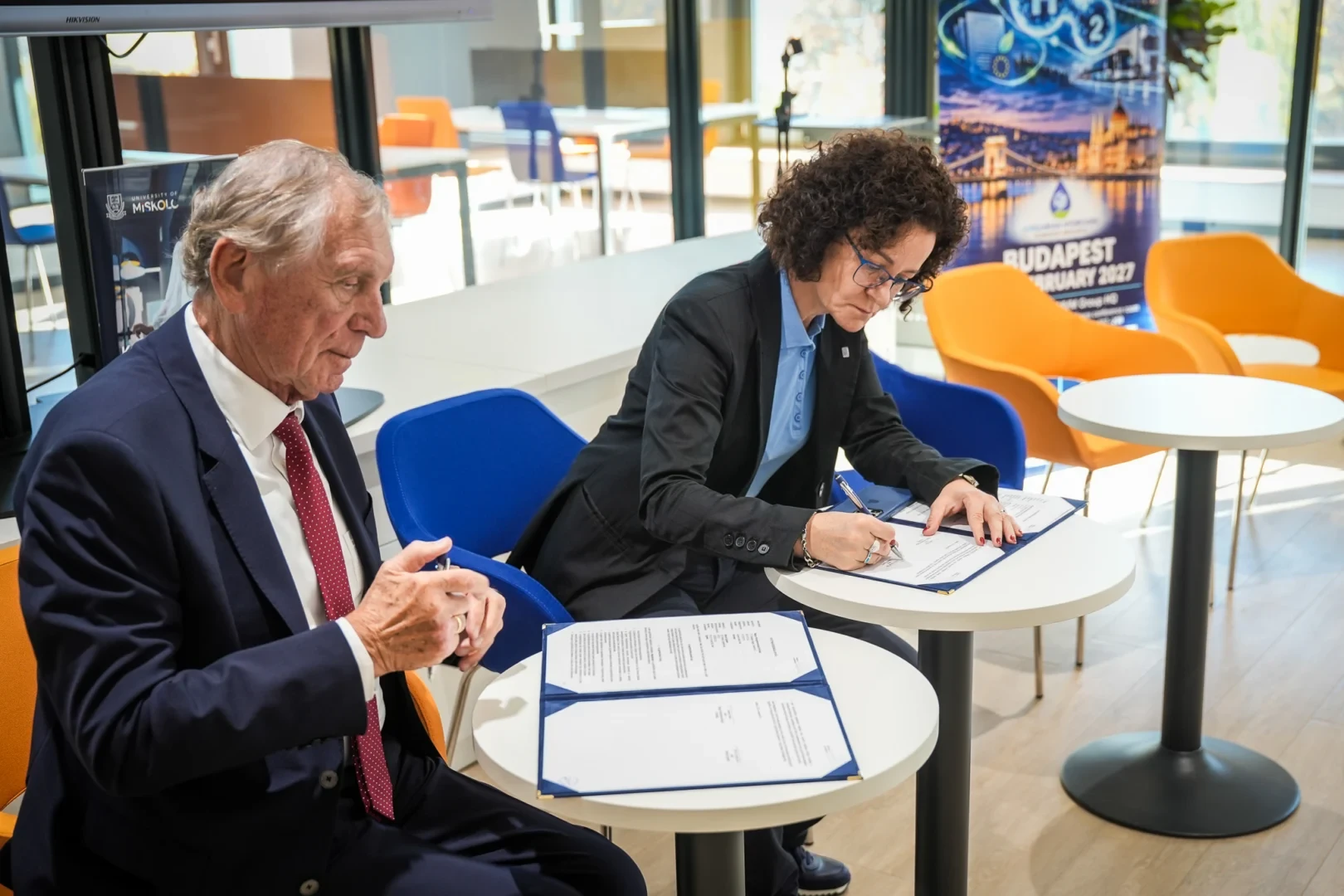
The event was opened by István Lepsényi, president of the Hungarian Hydrogen Technology Association, and Prof. Dr. Zita Horváth, rector of the University of Miskolc; they then reaffirmed the existing relationship between the organizations in the areas of research and development, innovation, and professional training by signing a cooperation agreement. The fundamental goal is for the University of Miskolc’s academic and research expertise, combined with the Hungarian Hydrogen Technology Association’s professional experience and network of contacts, to contribute to the development of the domestic hydrogen economy in a mutually reinforcing manner.
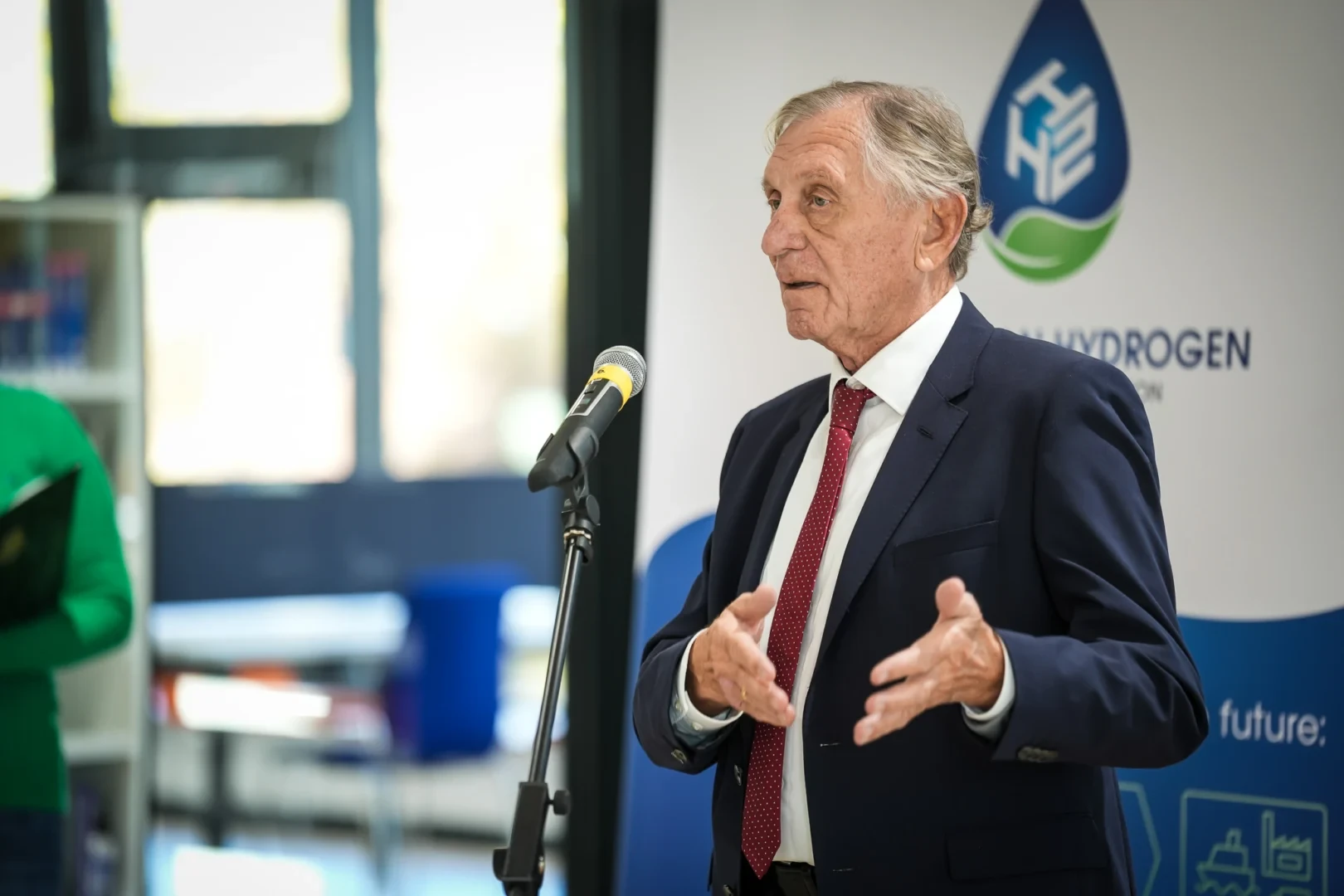
“The partnership’s primary mission is to support research and development activities, training programs, and innovation projects related to hydrogen technology, as well as to strengthen cooperation among corporate, scientific, and educational stakeholders,” summarized István Lepsényi, president of the Hungarian Hydrogen Technology Association. In his speech, he emphasized that the University of Miskolc has played an exemplary role for many years in strengthening the relationship between industry and higher education.
The university was already open to corporate partnerships at a time when this was not yet common practice in Hungary,
he emphasized, paying special tribute to the establishment of the Center for Higher Education and Industrial Cooperation at the university, as well as the close ties forged with multinational companies.
Hydrogen technology is a new, rapidly developing industry that offers Hungarian companies the opportunity to participate in international value chains not only as suppliers but also as innovative developers.
The expertise, creativity, and discipline of Hungarian engineers can provide a competitive advantage in this field,
said István Lepsényi. He added that the development of energy storage is essential for the efficient utilization of renewable energy sources. In his view, hydrogen can play an important role in strengthening Hungary’s energy independence, decarbonizing industry, and establishing sustainable mobility. He emphasized that the role of universities and research and development is indispensable in this process.
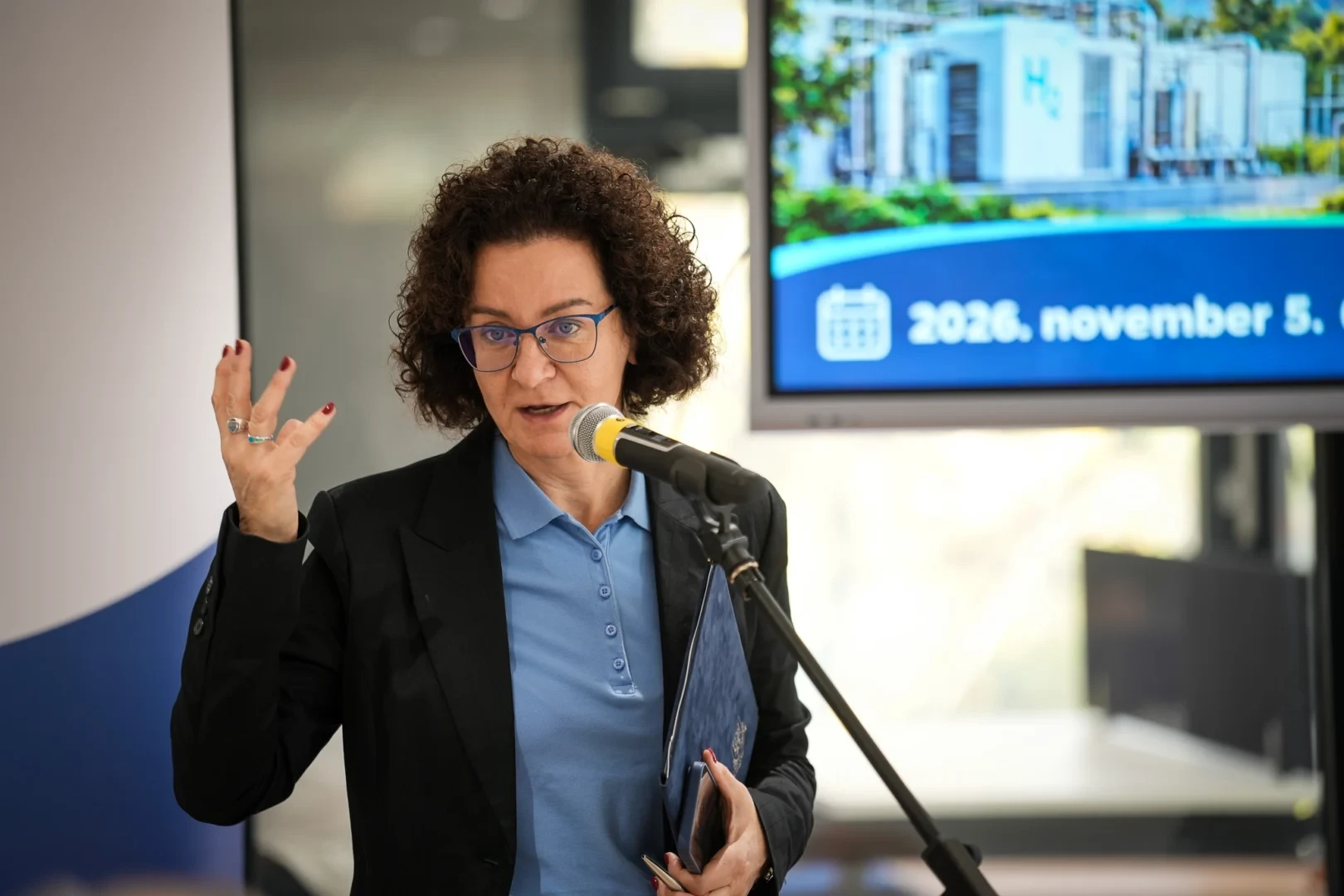
In her opening remarks, Prof. Dr. Zita Horváth, Rector of the University of Miskolc, emphasized the university’s commitment to sustainability, citing as an example the approximately 50 billion forint in infrastructure developments carried out in recent years, during which renewable energy solutions were consistently implemented. She placed special emphasis on the collaboration between the university and industry partners, which is evident in dual education programs, internship programs, specialized continuing education courses, and applied research. She noted that the institution collaborates with approximately 200 companies and tailors its educational programs to the needs of the labor market.
The University of Miskolc is a multidisciplinary knowledge base that encompasses the fields of engineering, environmental science, information technology, economics, and law. This comprehensive knowledge enables the university to play an active role in the development of the hydrogen economy,
said the rector.
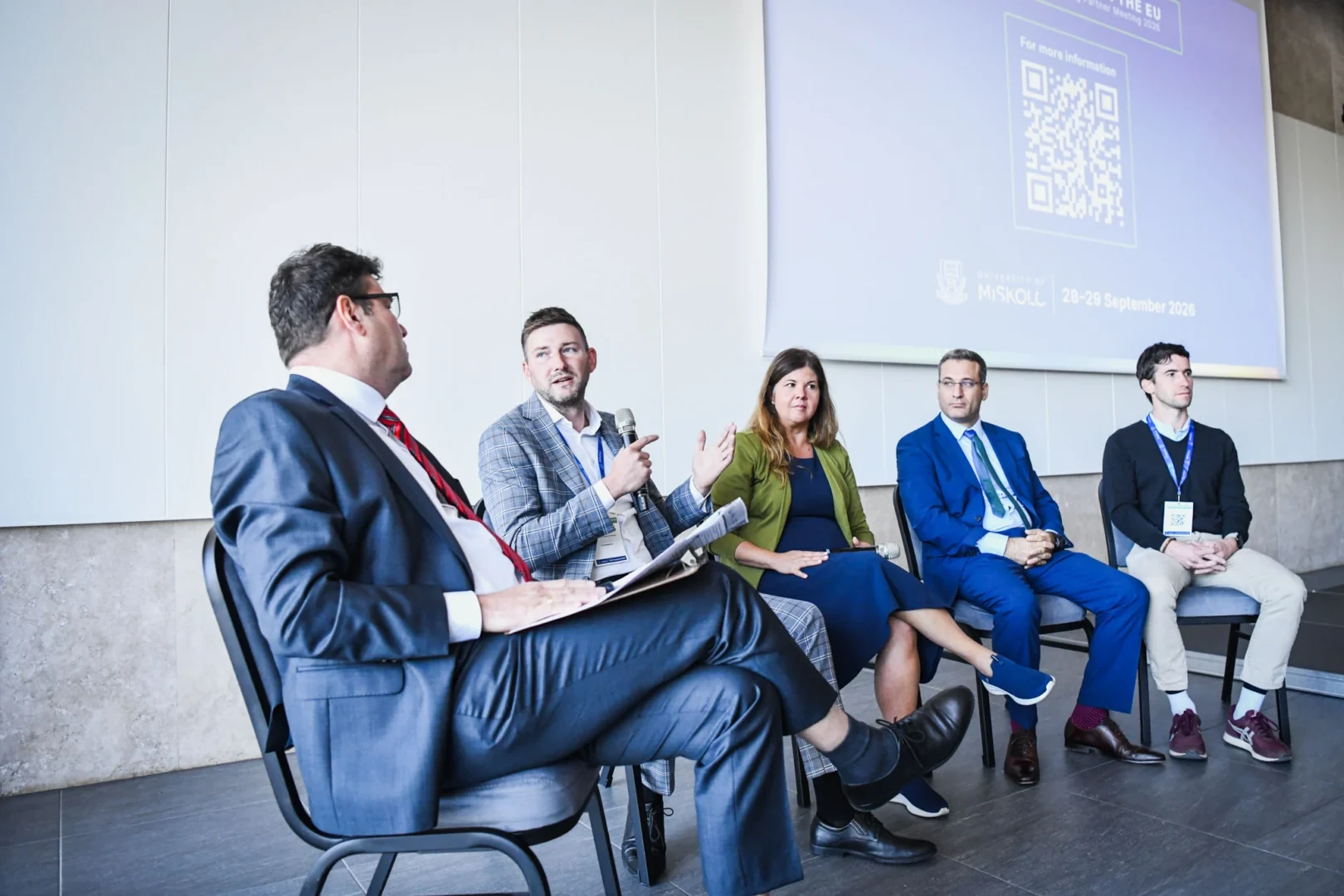
The presentations following the signing of the cooperation agreement covered a wide range of current topics, from regulatory issues in the hydrogen sector to the production, storage, and industrial applications of green hydrogen, all the way to developments in energy storage. Participants had the opportunity to learn about the experiences of MOL, MVM, Magyar Földgáztároló Zrt., and other industry players, as well as gain insight into the direction of the technology’s development in Hungary and related supplier opportunities. The closing panel discussion focused on direct dialogue between businesses and industry stakeholders with the goal of making hydrogen technology increasingly accessible to Hungarian companies.