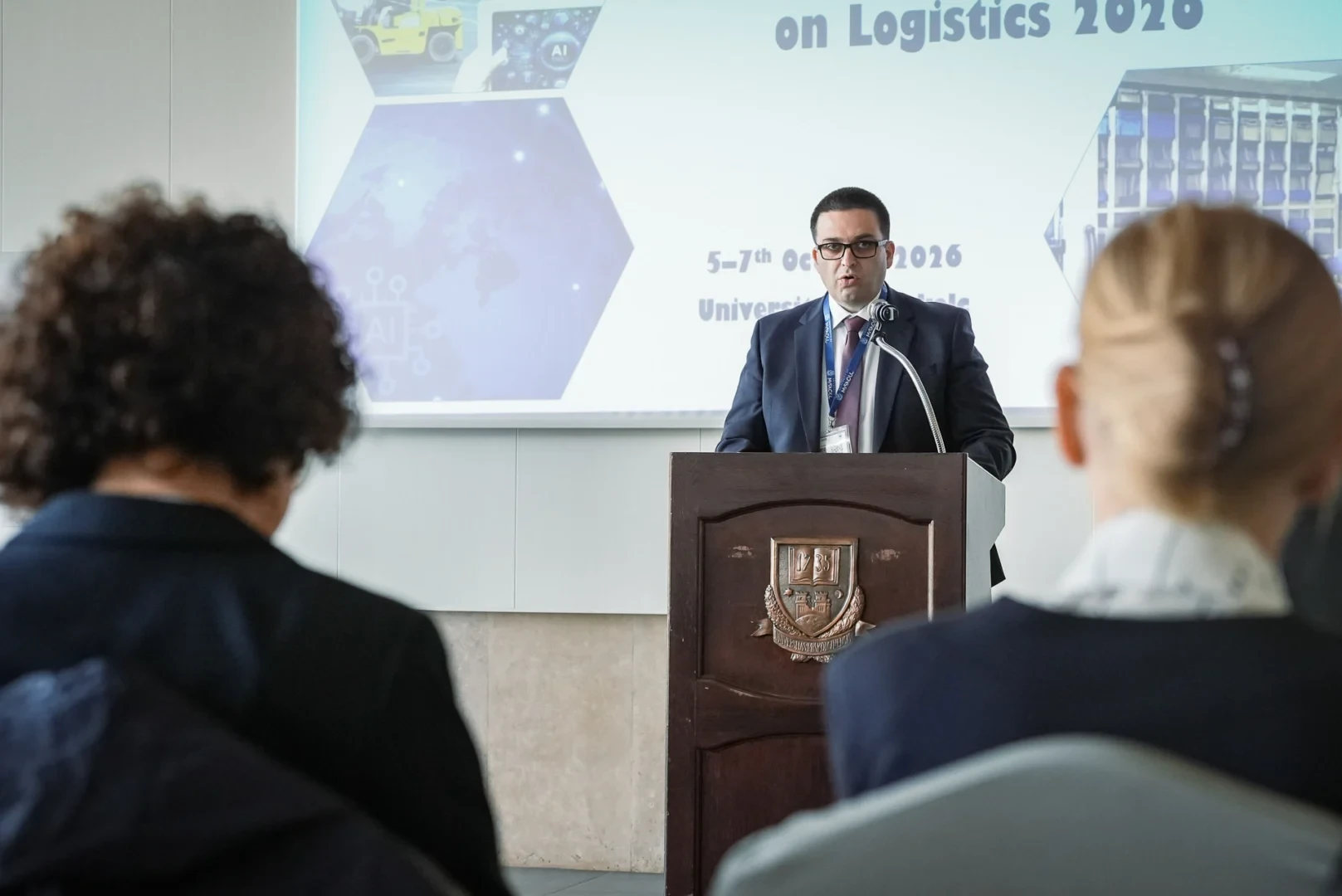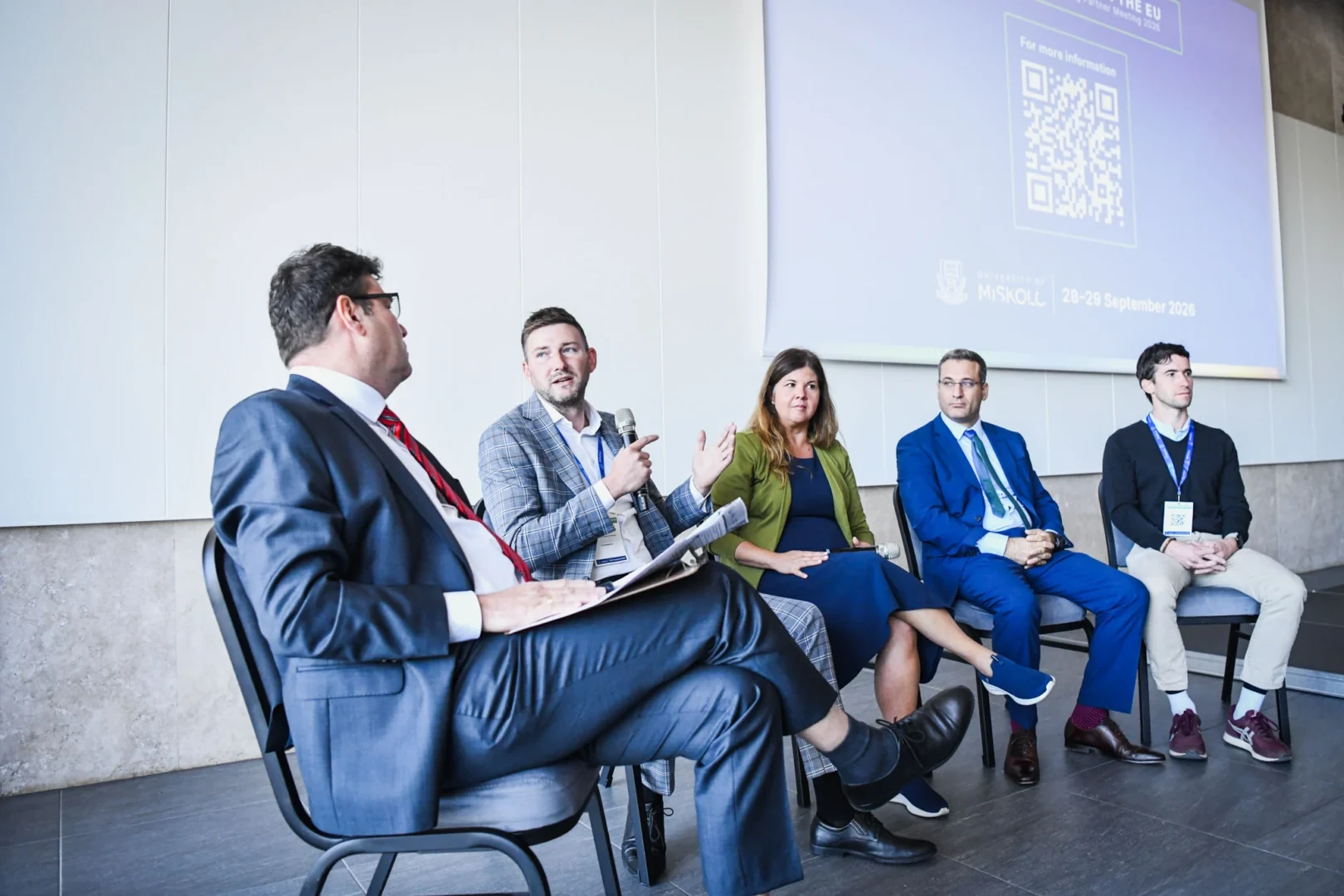

The University of Miskolc hosted the international exchangeEU professional exchange program from October 20 to 22. At the event, representatives from the Jiu Valley in Romania and the coal-mining regions of Northern Hungary shared their experiences on issues related to just transition and economic restructuring. The goal of the program was for experts, local government leaders, researchers, and development policy stakeholders from both regions to work together to find solutions to the challenges facing coal-mining regions.
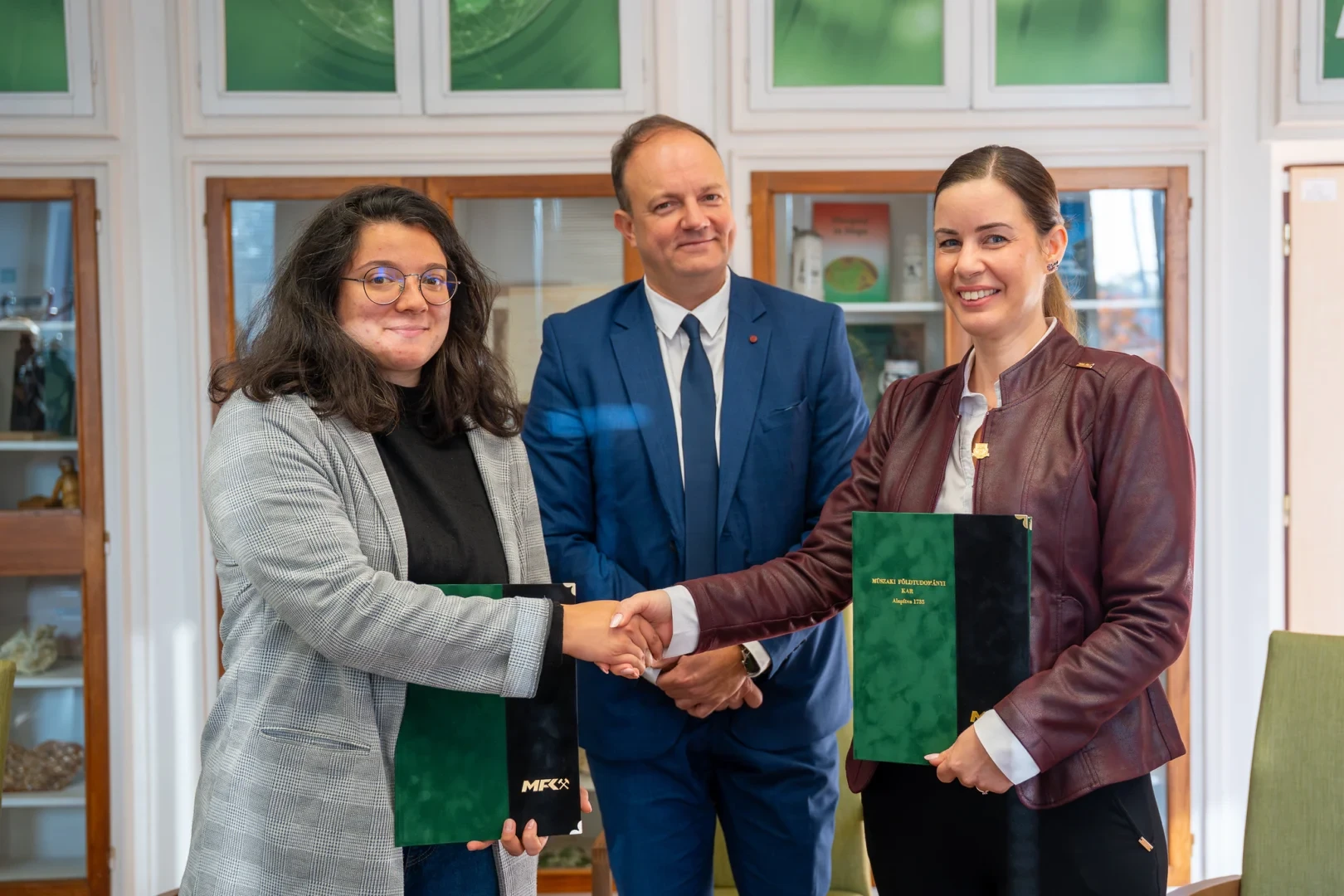
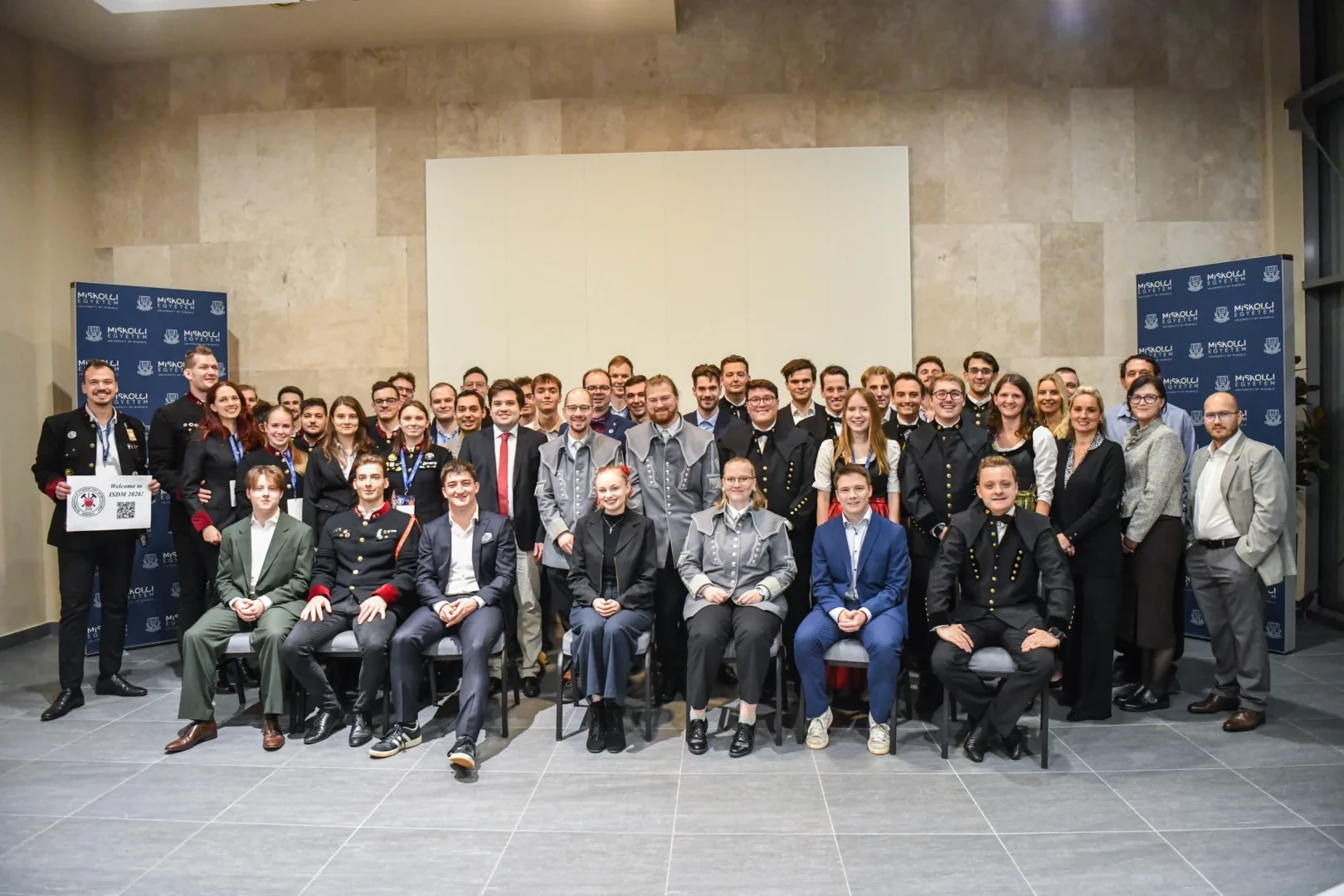
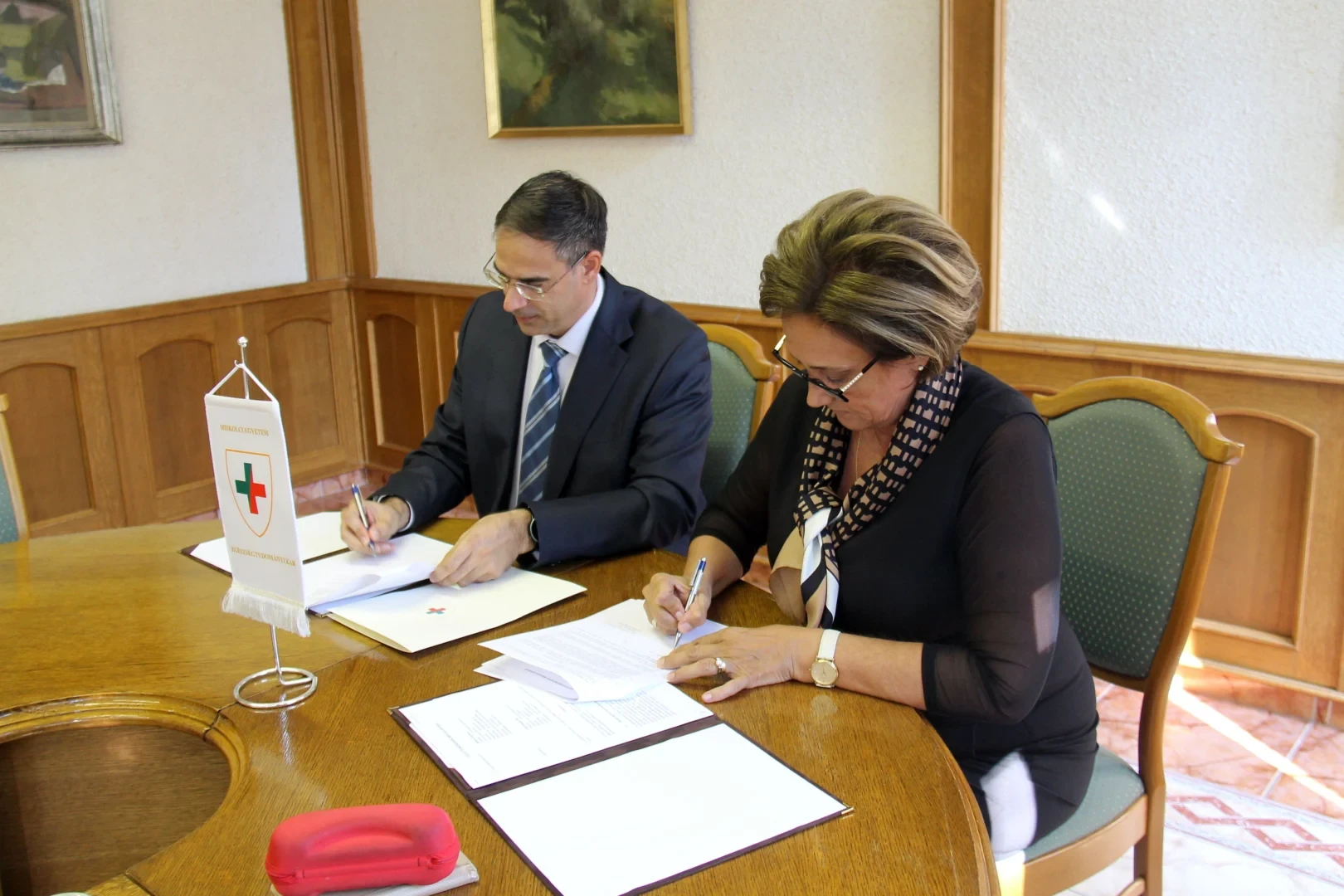
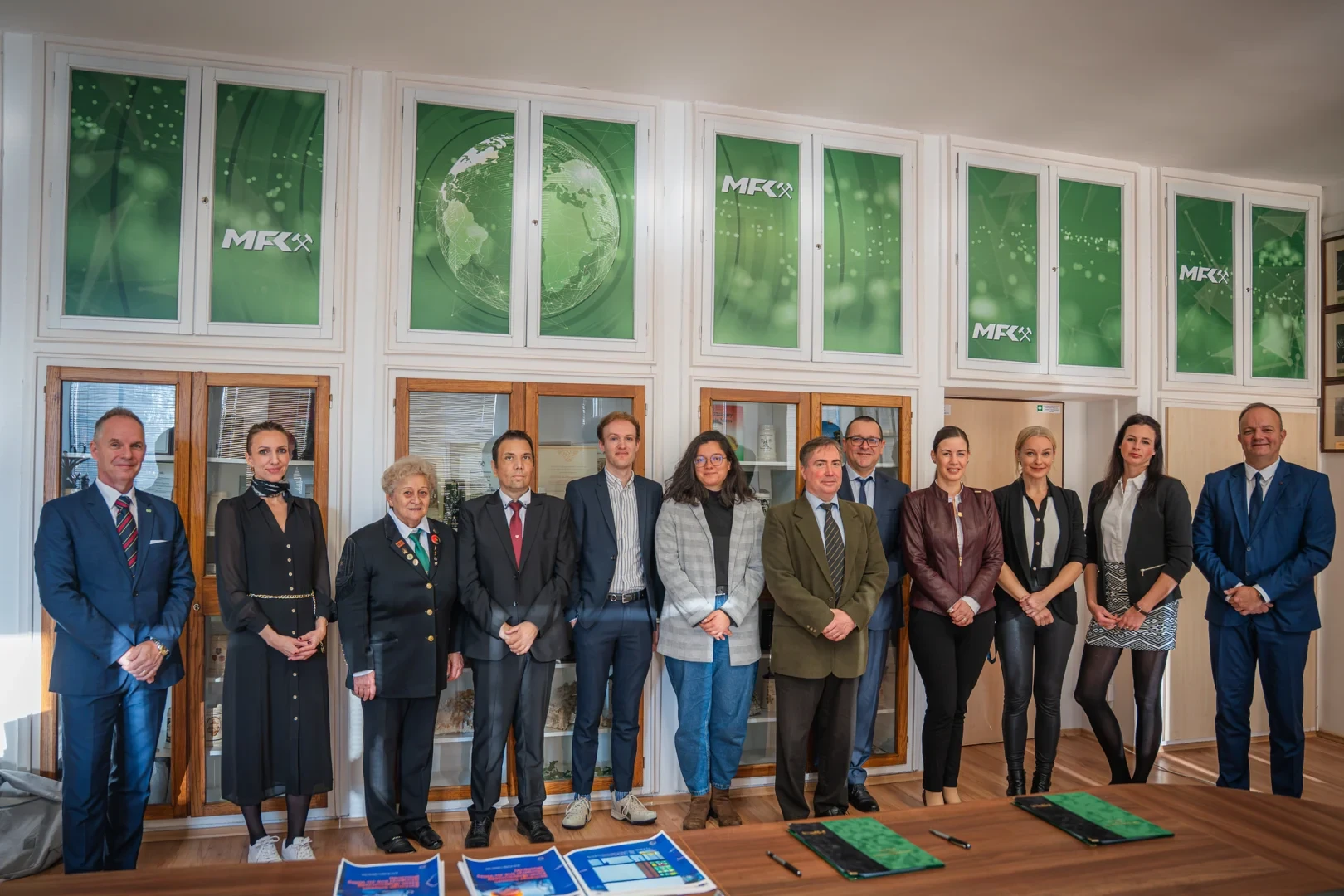
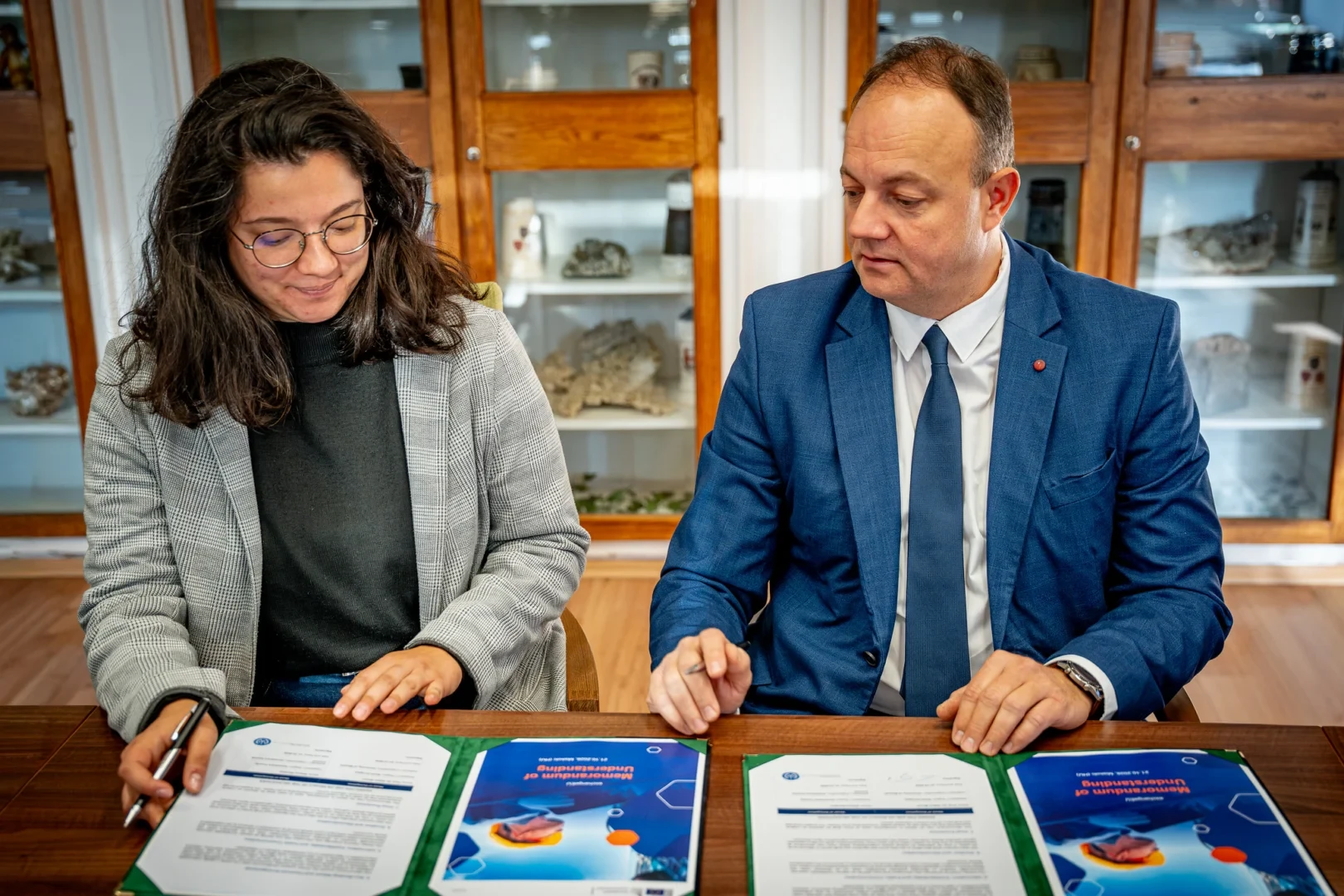
During the opening program, the parties reviewed the transition processes in Northern Hungary and the Zsil Valley and signed a memorandum of understanding to facilitate future collaboration. Among the representatives of the Romanian delegation who visited the university were a representative of the EU’s Coal Transition Regional Exchange Program, local government representatives from Hunyad County, and members of the Coal Region Committee of the Zsil Valley Integrated Transition Program. They were welcomed by the leadership of the University of Miskolc, the Faculty of Engineering, Earth and Environmental Sciences, the City of Miskolc with County Rights, the National Hungarian Mining and Metallurgical Association, and leading experts.
Sustainable Industrial Transition and Innovation
As part of the program, the delegation attended the 8th Sustainable Cement and Concrete Symposium, an international conference focused on the sustainable cement and concrete industries, which clearly demonstrated how industrial innovation, the circular economy, and the reduction of carbon dioxide emissions can be linked. The event provided an important forum for knowledge sharing among regions and for exploring potential research and development collaborations.
Laboratories, Research Infrastructure, and Practical Innovation
The visitors gained insight into the research infrastructure of the Faculty of Engineering, Earth and Environmental Sciences at the University of Miskolc. During the lab visits, they learned about research in areas such as raw material preparation, waste recovery, nano- and bioprocessing, wastewater treatment technology, dust and particle technology, and the utilization of industrial byproducts. These areas are directly linked to the economic diversification of coal-mining regions and the implementation of a circular economy.
Geothermal Energy and New Opportunities for Coal-Mining Regions
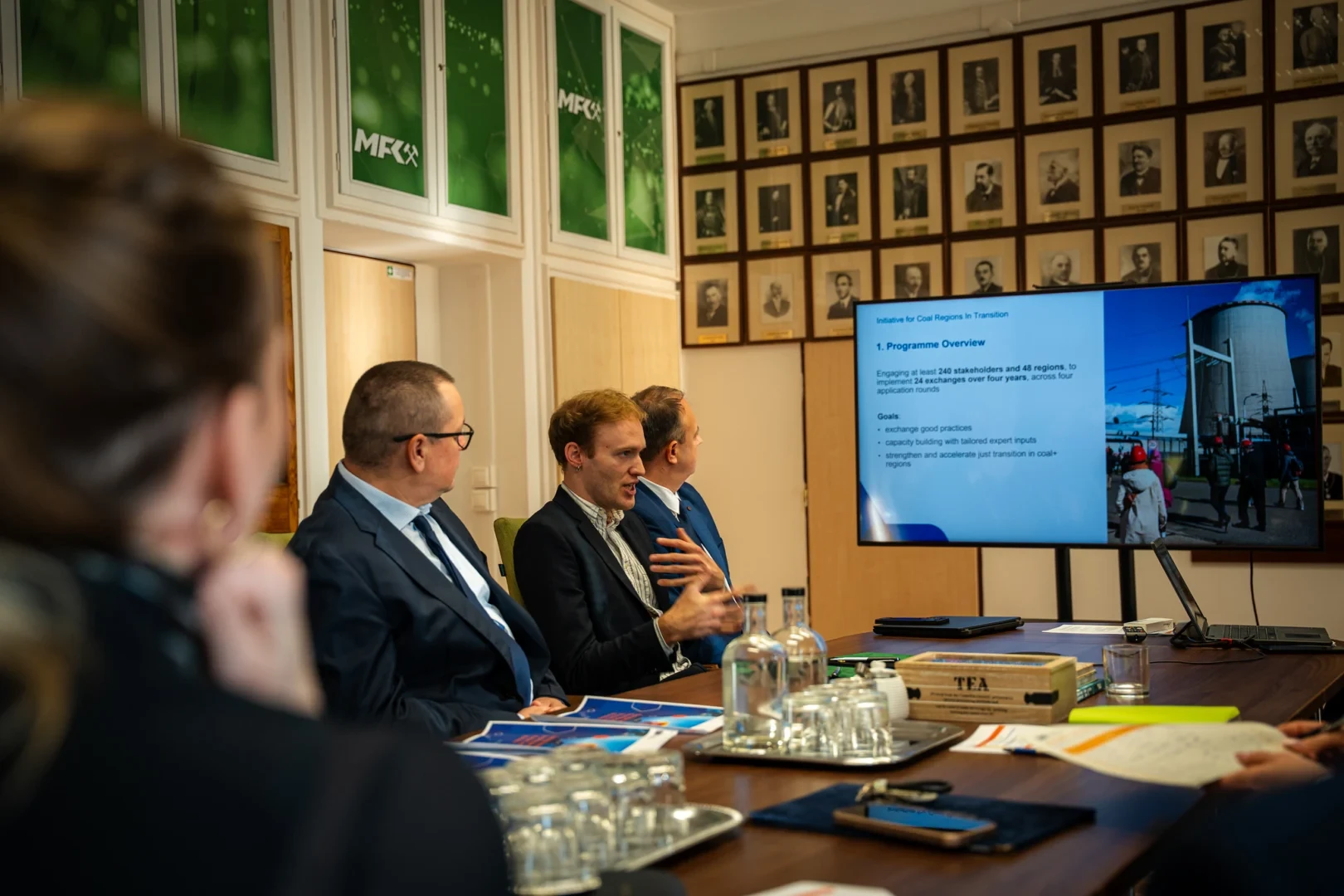
On the third day of the program, a separate session addressed issues related to geothermal energy and the energy transition in mining regions. Dr. Rita Miklós presented the research and innovations of the University of Miskolc in this field, while participants reviewed the results of the European Union’s programs designed for coal regions and the opportunities offered by the Research Fund for Coal and Steel.
The professional program also included a presentation of UNEXMIN Georobotics’ underwater mining robot technology, which clearly illustrates how traditional mining expertise can become the foundation for future innovations.
Mining Heritage and Industrial Renewal
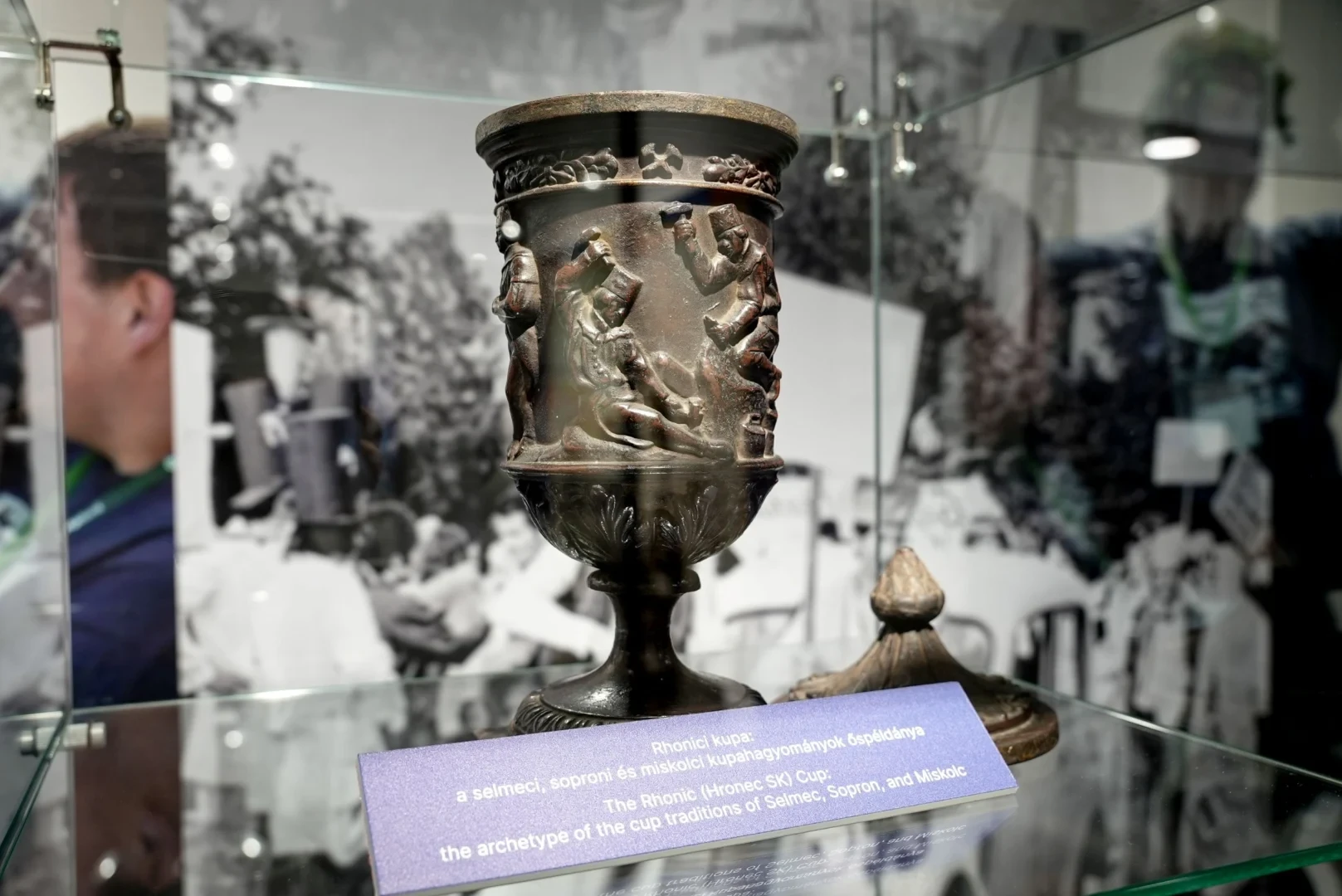
The participants visited the Selmec Heritage Archives and then the former industrial site of the Diósgyőr Steel Works, where they learned about opportunities for preserving and repurposing Miskolc’s industrial heritage. The site serves as a good example of how former heavy industrial areas can take on new economic and community functions with the right strategy.
The Role of the University of Miskolc in a Just Transition
The program has reinforced the role of the University of Miskolc—particularly the Faculty of Engineering, Earth, and Environmental Sciences—in supporting the transformation of coal-mining regions. The faculty’s research and innovation expertise, along with its activities in the fields of geothermal energy, environmental management of mine closures, the circular economy, and raw material utilization, provide an important professional foundation for domestic and international developments related to a just transition.
The Zsil Valley professional exchange program clearly demonstrated that the future of coal-mining regions is not solely an economic issue: a successful transition requires cooperation among science, innovation, local governments, industry, and local communities. The University of Miskolc intends to continue participating in this process as an active knowledge hub.