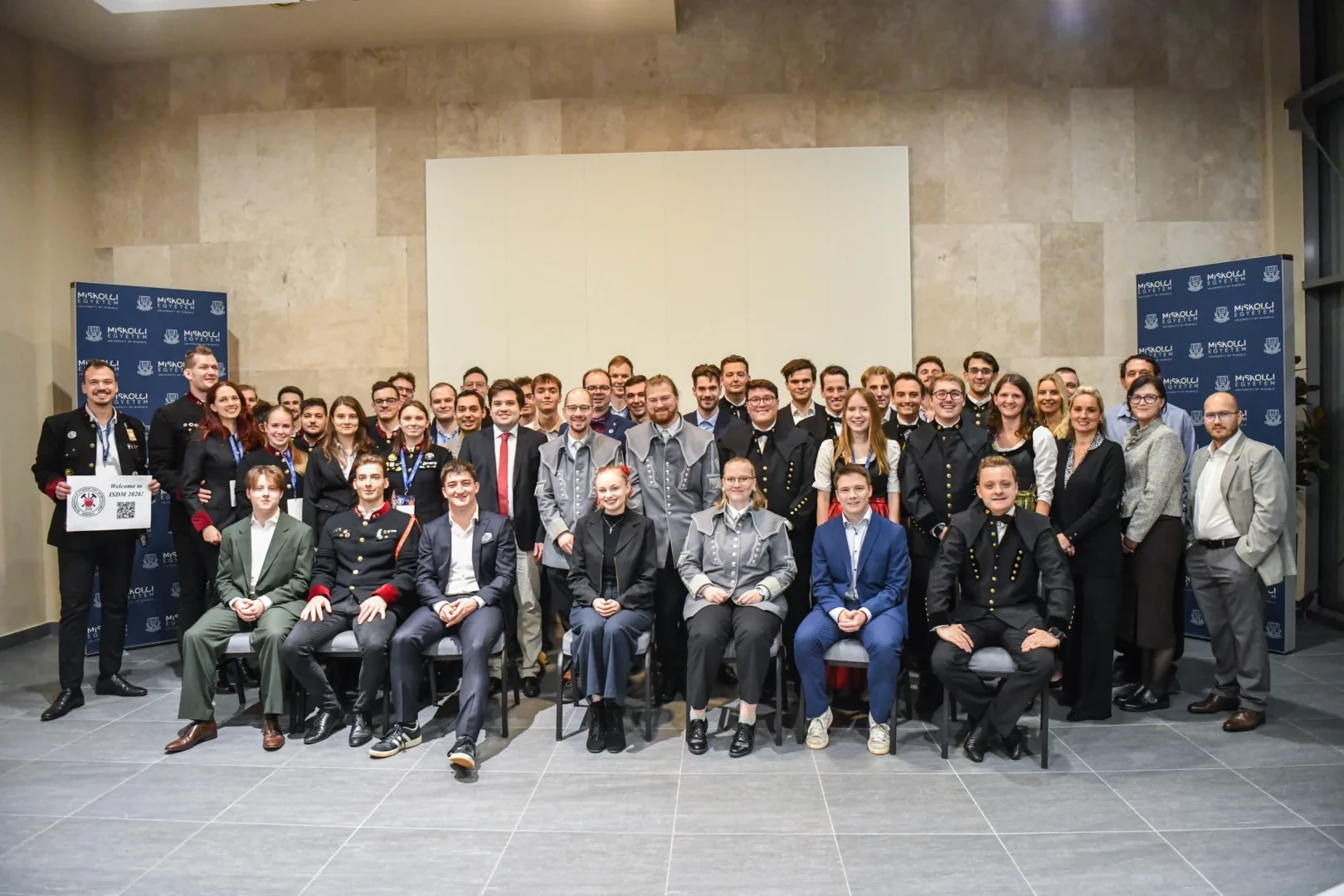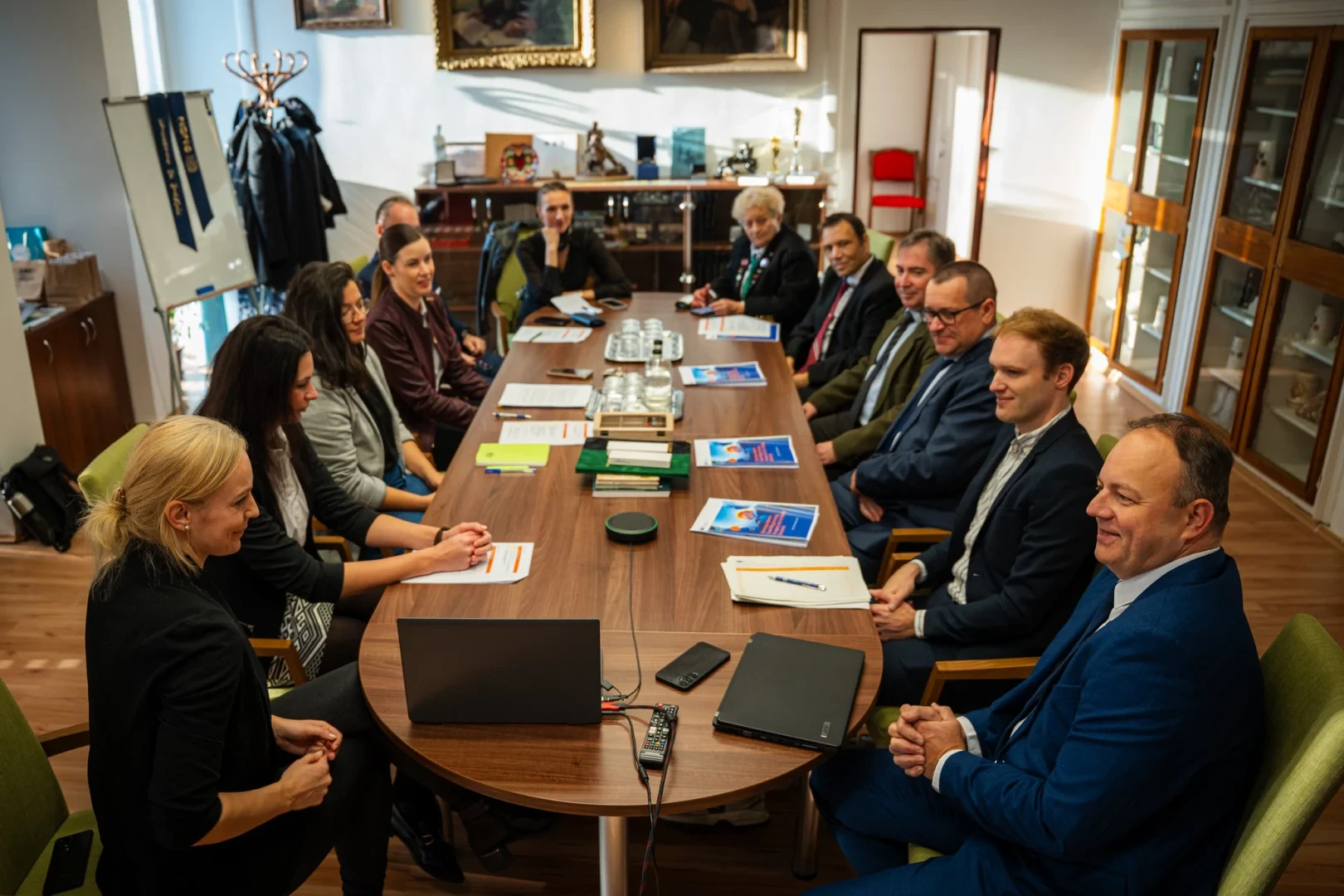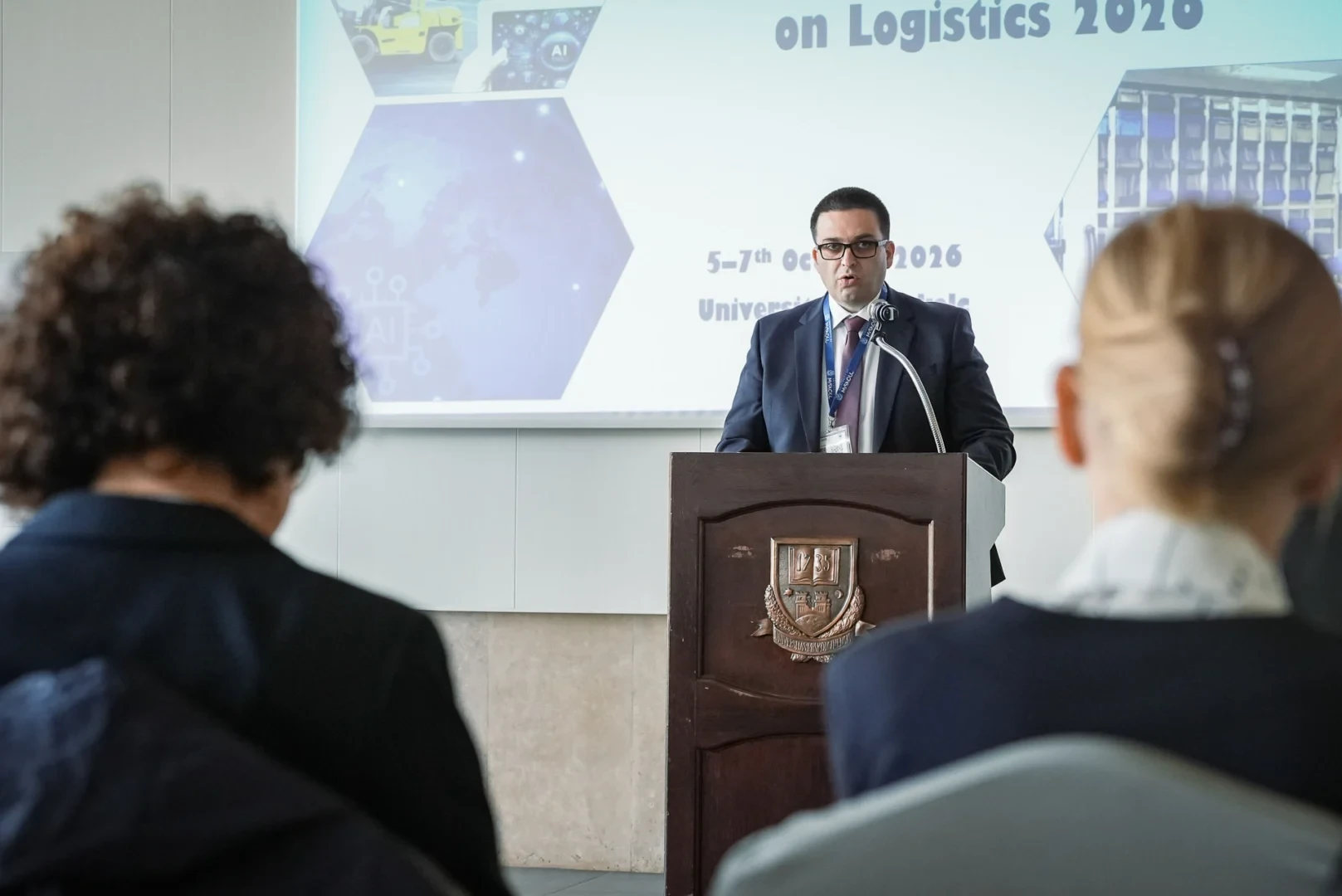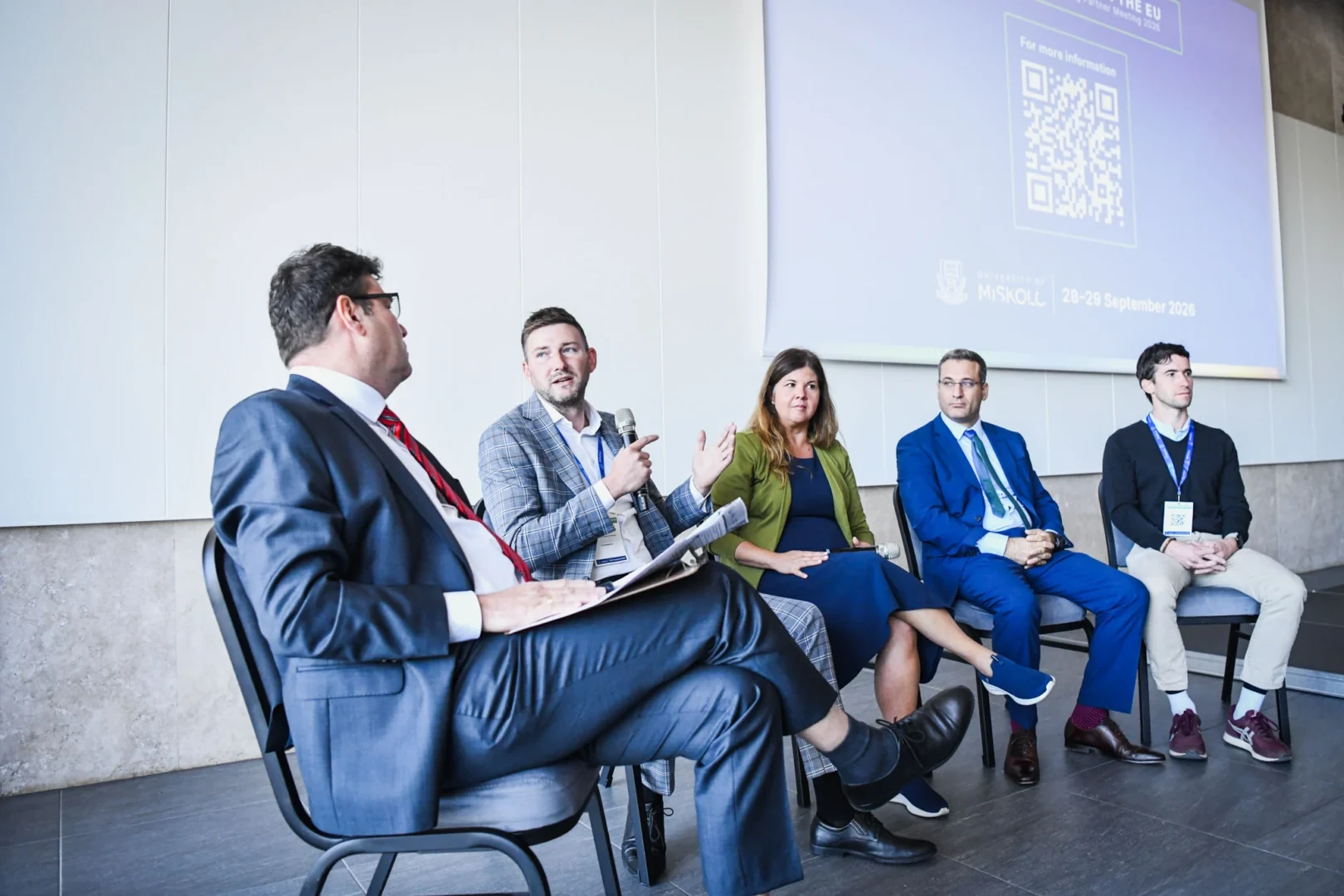

The decarbonization of the cement and concrete industry, the use of secondary raw materials, and the development of building materials with a low carbon footprint were the focus of the 8th Sustainable Cement and Concrete Symposium. Held at the University of Miskolc on October 21, 2026, the scientific conference brought together representatives from domestic and international universities, research institutions, companies, and regional stakeholders.
Focus on the Green Transition of the Cement and Concrete Industry
Prof. Dr. Zita Horváth, Rector of the University of Miskolc, welcomed the attendees, after which Prof. Dr. Gábor Mucsi, Dean of the Faculty of Engineering, Earth and Environmental Sciences, opened the professional program and chaired the scientific session.
The keynote address was delivered by Dr.-Ing. Joerg Rickert, Managing Director of VDZ Technology gGmbH and Head of its Cement Chemistry Division. In his presentation, he discussed the decarbonization of the cement and concrete value chain, as well as opportunities for conserving natural resources.
The presentations in the program ranged from improving the reactivity of fly ash and increasing its use in the building materials industry, to geopolymer grouting for mitigating soil liquefaction, to tile adhesives with a reduced carbon footprint. A separate session focused on the use of alternative and recycled materials in the concrete industry, the mechanochemical activation of cementitious additives, the soil stabilization potential of waste-based geopolymers, and the mechanical activation of biomass fly ash.
The technical presentations were followed by an informal professional discussion, a networking lunch, and a laboratory tour. The program thus served not only to present the latest research findings but also to lay the groundwork for new academic and industrial collaborations.
International and Domestic Professional Collaboration
The symposium’s speakers, researchers, and participants represented a broad spectrum of the academic, industrial, and regional development sectors. The following partner institutions and organizations participated in the event:
Professional Meeting Based on Research Projects
The event was organized with the support of the National Office for Research, Development, and Innovation (NKFIH) in connection with EUREKA and TÉT projects. The symposium directly strengthened international research collaborations: within the related EUREKA collaboration, the focus of the joint work is on the potential applications of waste-based, activated materials as cement substitutes.
“The transition to a sustainable building materials industry requires a combination of research expertise, industrial experience, and international partnerships.”
Background and Organizers
The professional session of the 8th Sustainable Cement and Concrete Symposium was organized by the Institute of Raw Material Processing and Environmental Technology at the Faculty of Engineering, Earth and Environmental Sciences of the University of Miskolc.
Additional contributors included: