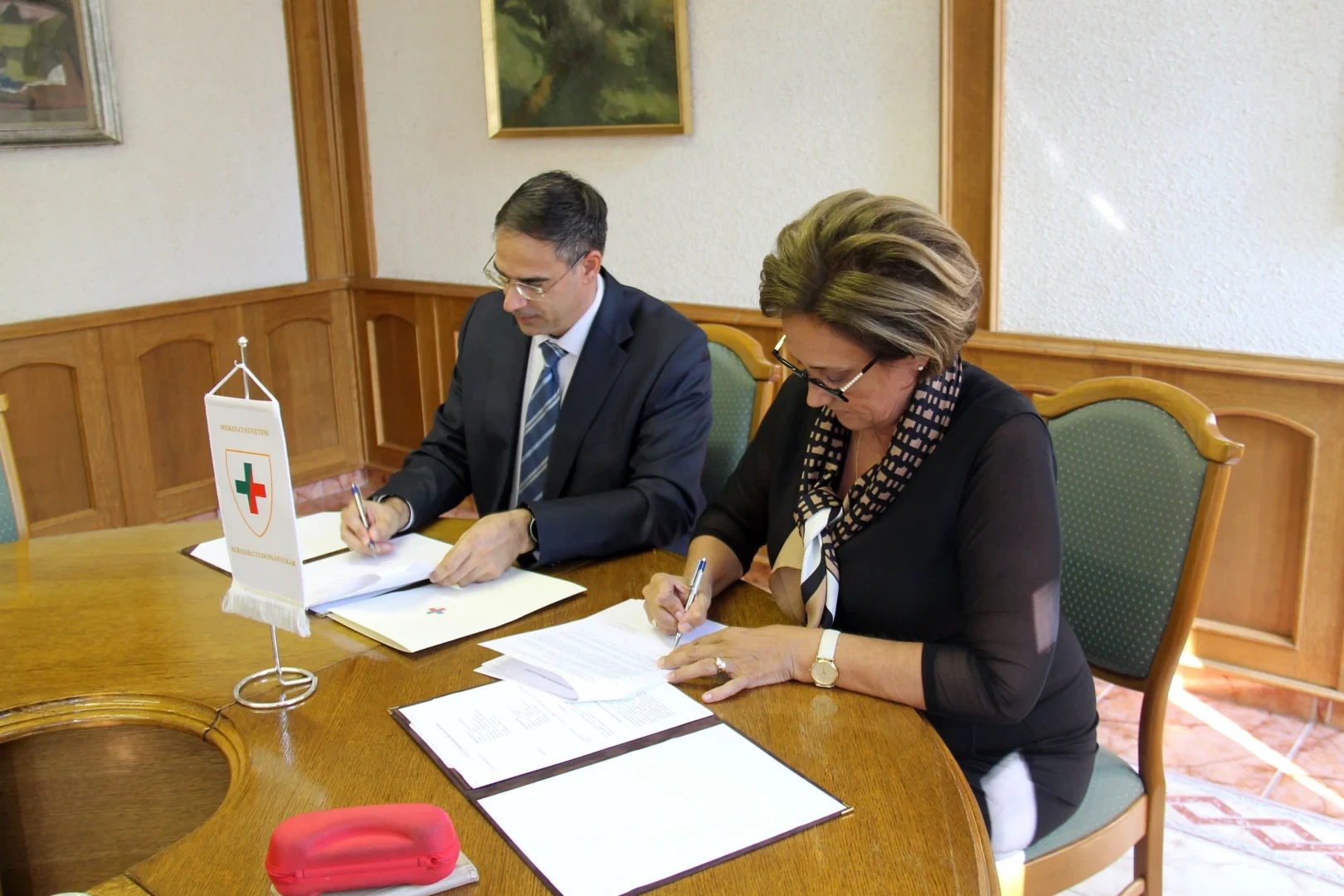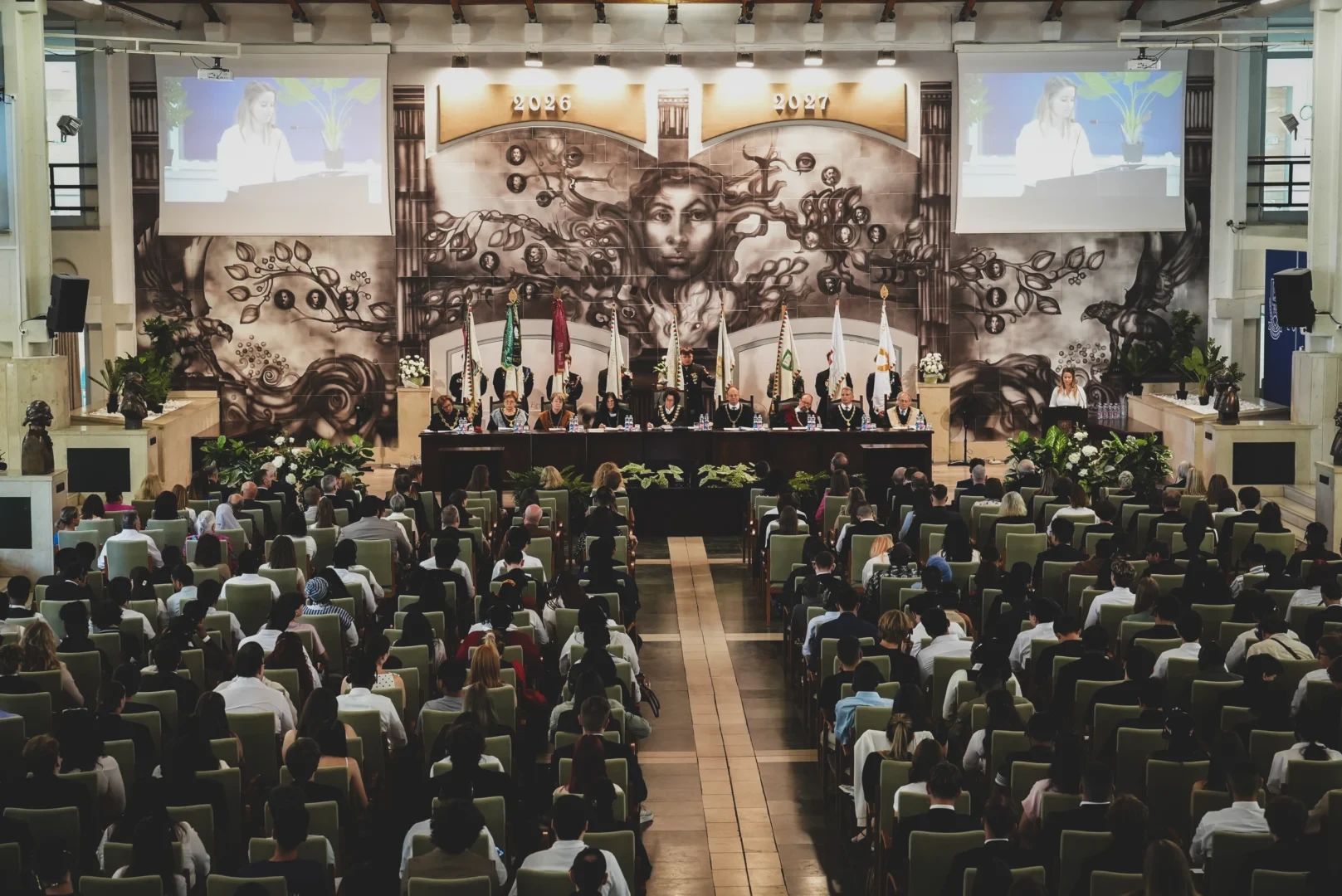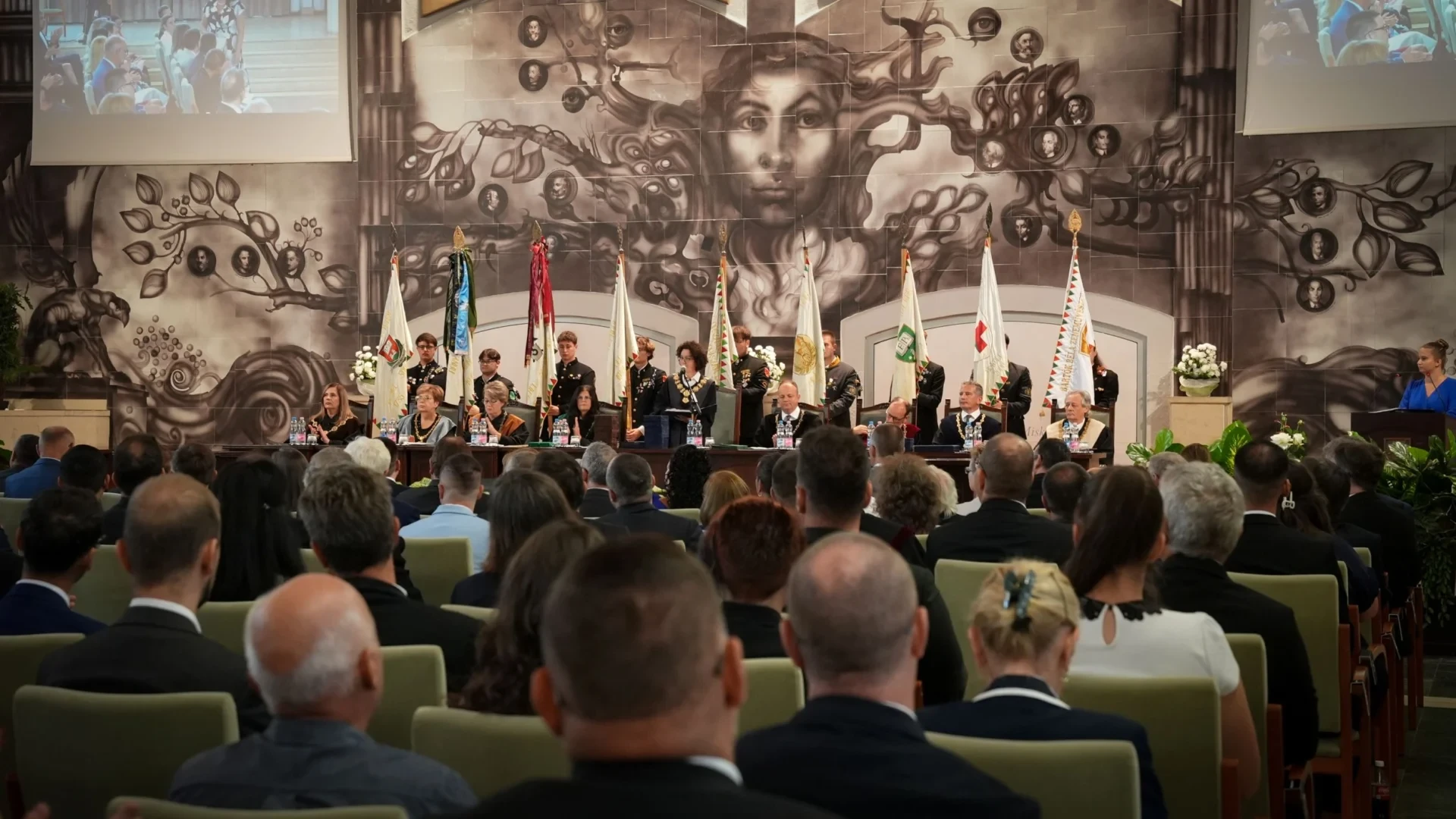

A nearly four-year development period has come to a close at the University of Miskolc: as part of the DigitALL project, comprehensive digital upgrades have been implemented that enhance the quality of education, practical training, and students’ readiness for the job market. The project’s results were presented at a formal closing ceremony.
The project titled “DigitALL – The Digital Transformation of Education at the University of Miskolc” was implemented between 2022 and 2026 with approximately 3.44 billion forints in non-repayable European Union funding. The goal of the developments was to create a complex digital ecosystem that not only innovates teaching methodologies but also helps align students’ knowledge even more closely with labor market expectations.
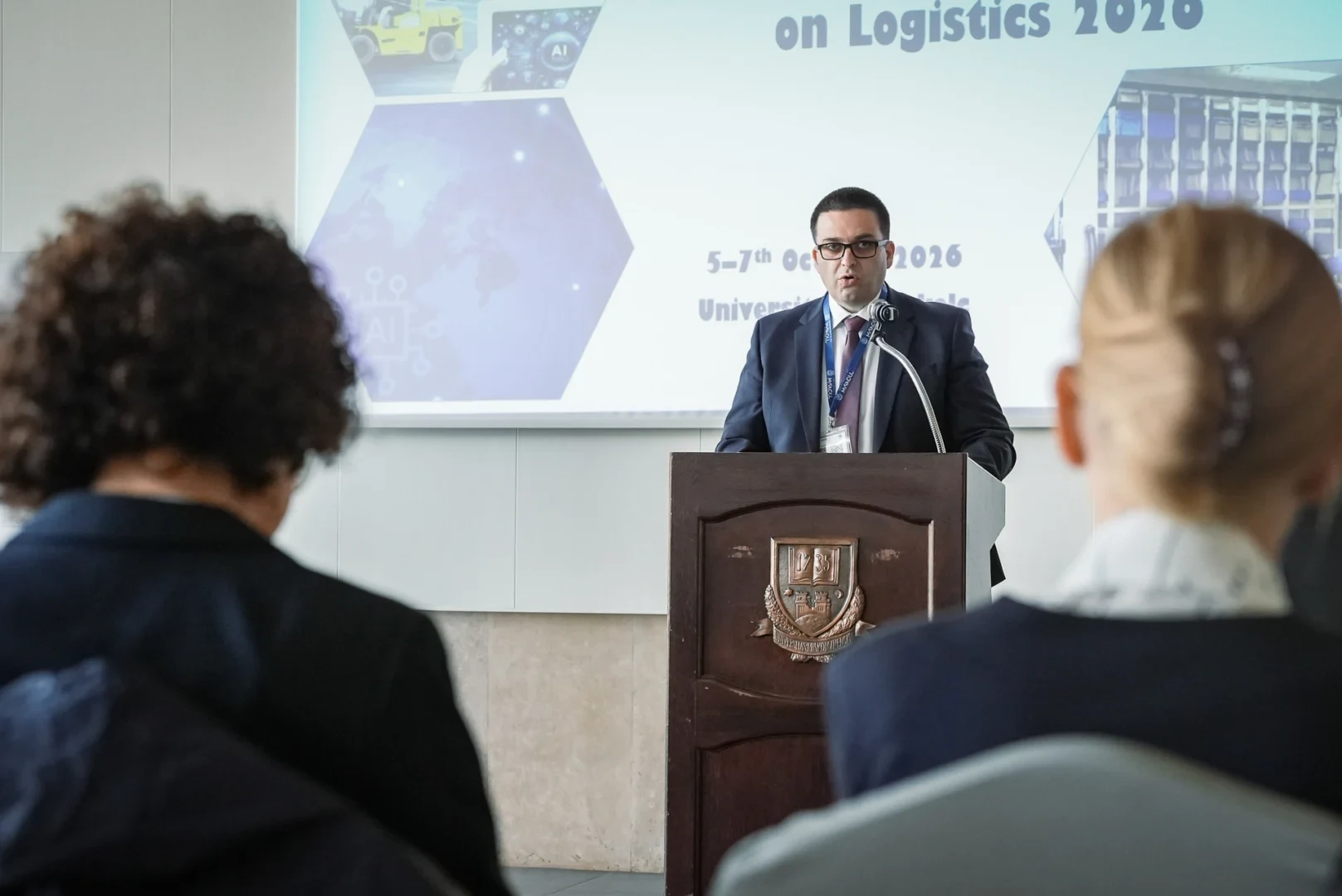
At the closing event, Katalin Kelemen, Head of the Rector’s and Financial Management Office at the University of Miskolc, welcomed the attendees and said:
We have quite a few years behind us. We would like to give a glimpse of what has happened in recent years and who contributed to this shared achievement.
One of the project’s most important messages is that digital developments represent not only technological investments but also a shift in mindset. The goal was to strengthen a flexible, demand-driven operation that takes into account the expectations of students, faculty, and labor market stakeholders.
The project’s professional outcomes were presented by Dr. Roland Szilágyi, Vice Rector for Education, who emphasized that DigitALL was implemented at a time when adaptability had become a key issue in higher education as well.
We are living in an age of change. For the University of Miskolc, the past few years have been about how we can adapt to these changes and how we can prepare our students for them
– he said.
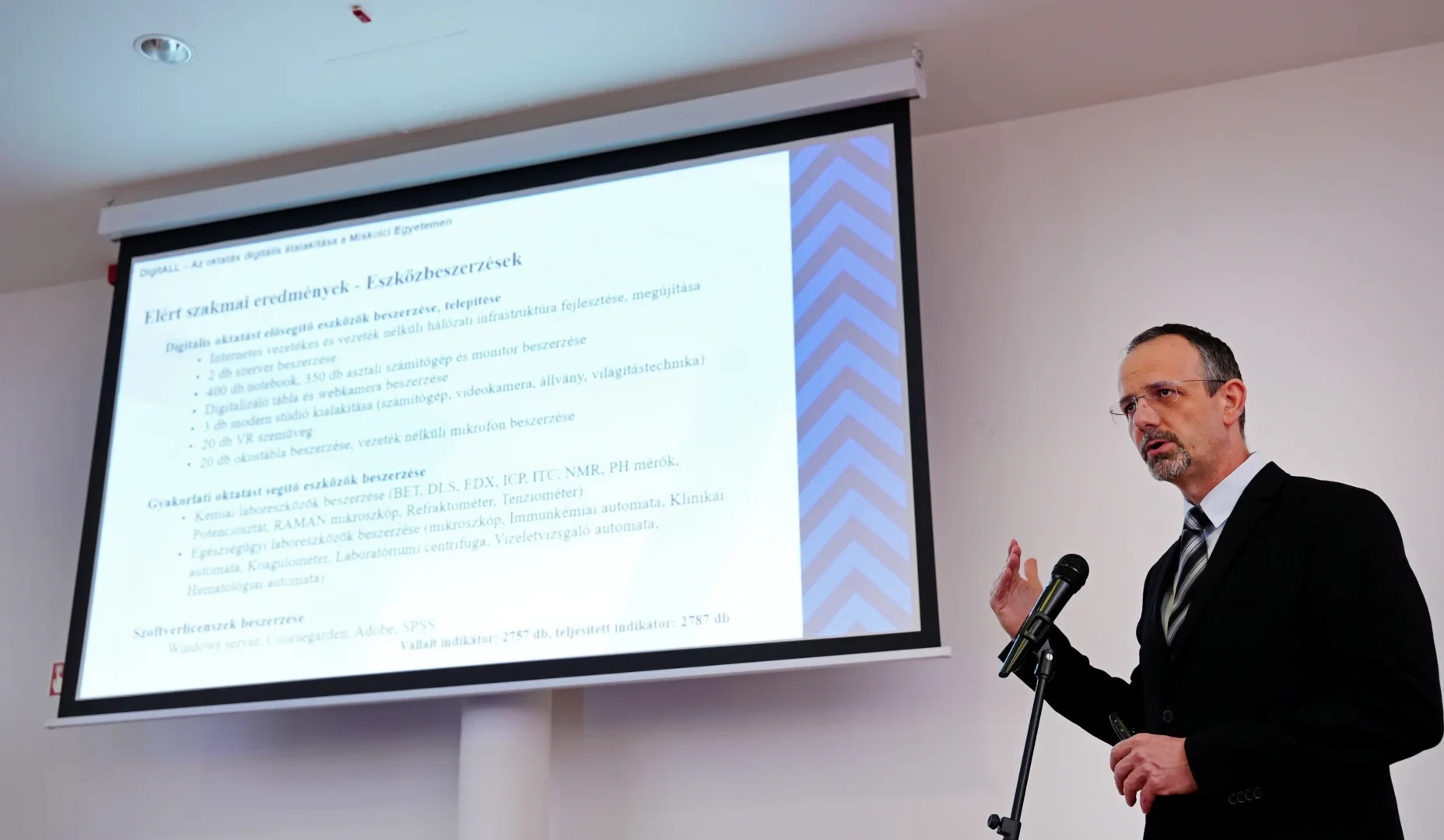
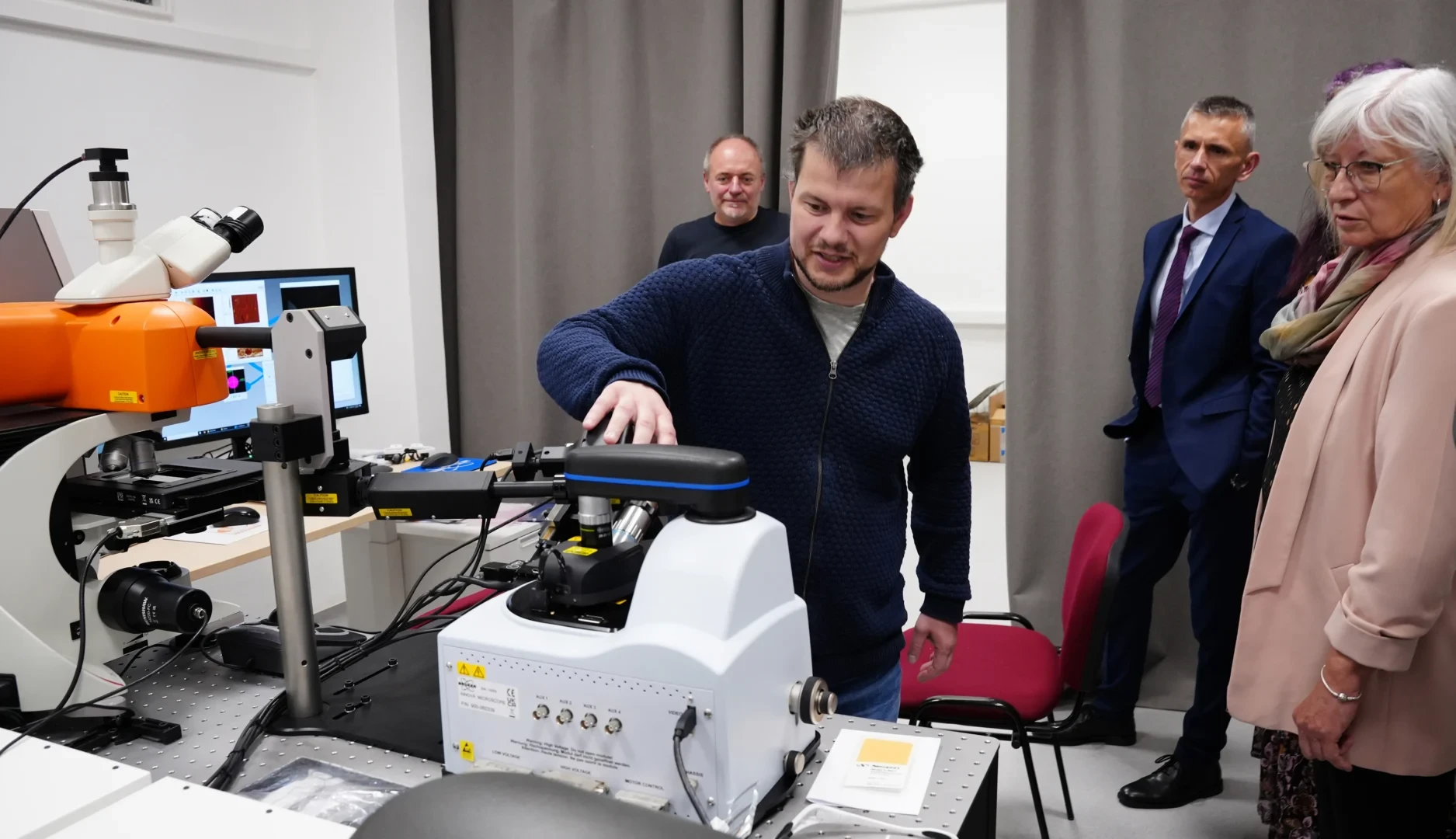
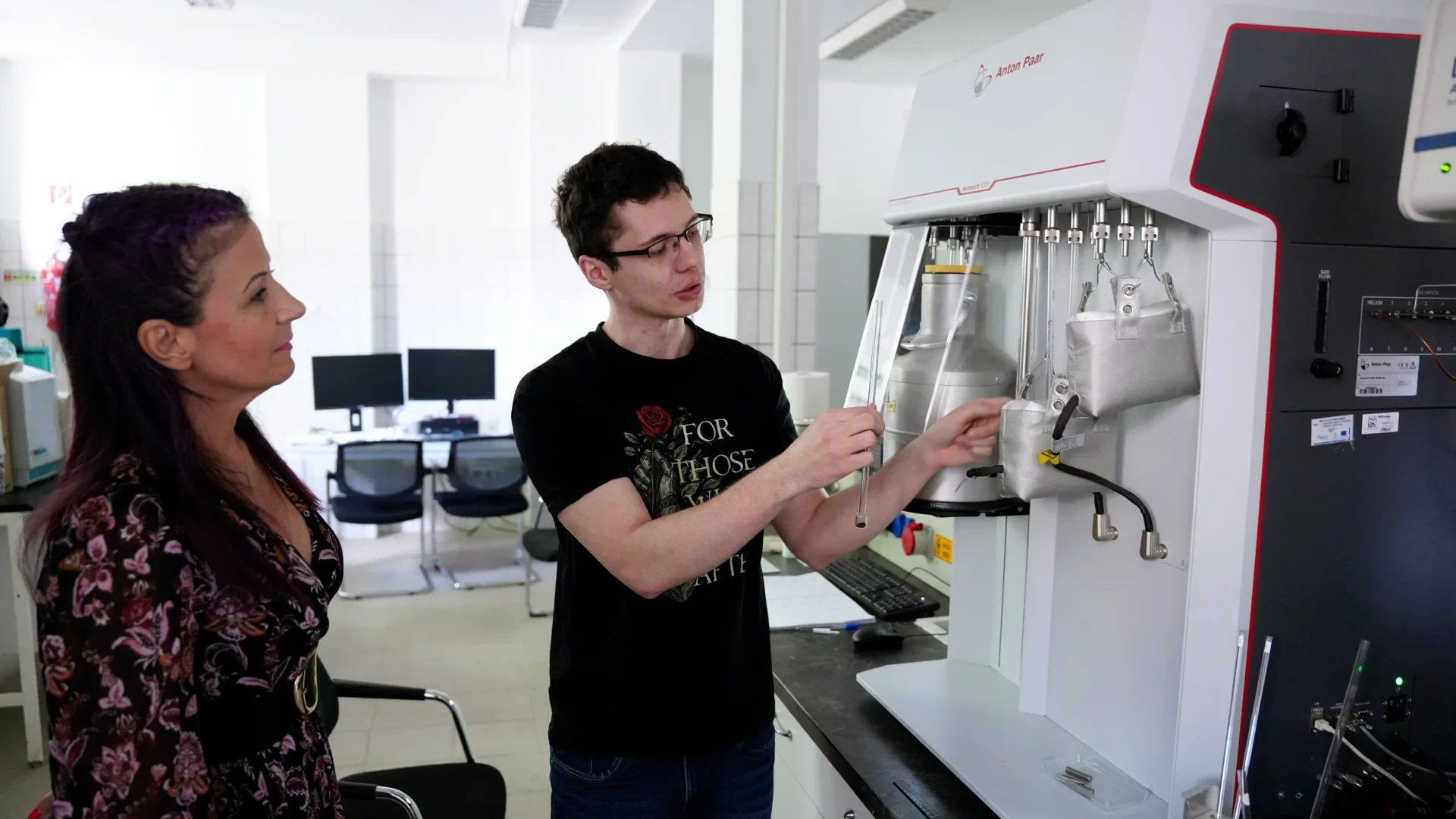
Under the DigitALL initiative, significant improvements have been made in both infrastructure and educational content. More than 2,800 digital devices were acquired, the university’s network infrastructure was upgraded, and the facilities for hands-on instruction were expanded with modern laboratory equipment worth nearly 689 million forints.
In addition, human resource development played a key role: more than 11,000 students, faculty members, and staff participated in various training programs, and more than 70 digital learning materials were developed. A comprehensive curriculum analysis was also conducted during the project, which helps ensure an even closer alignment with labor market needs.
Dr. Roland Szilágyi emphasized:
The project brought about an internal renewal that was less spectacular but all the more important. In addition to developing the infrastructure, strengthening human capacity was also essential for real change to take place.
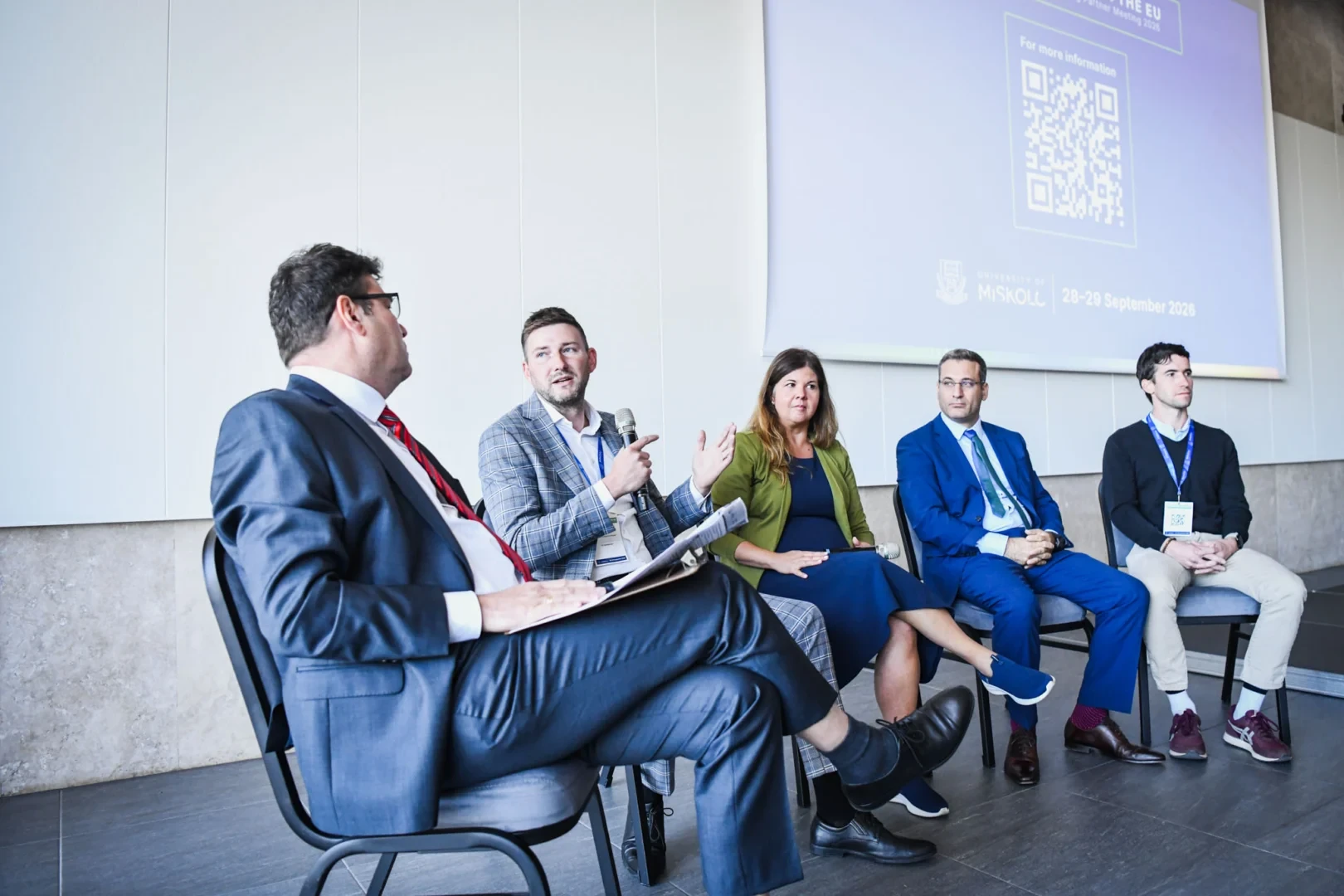
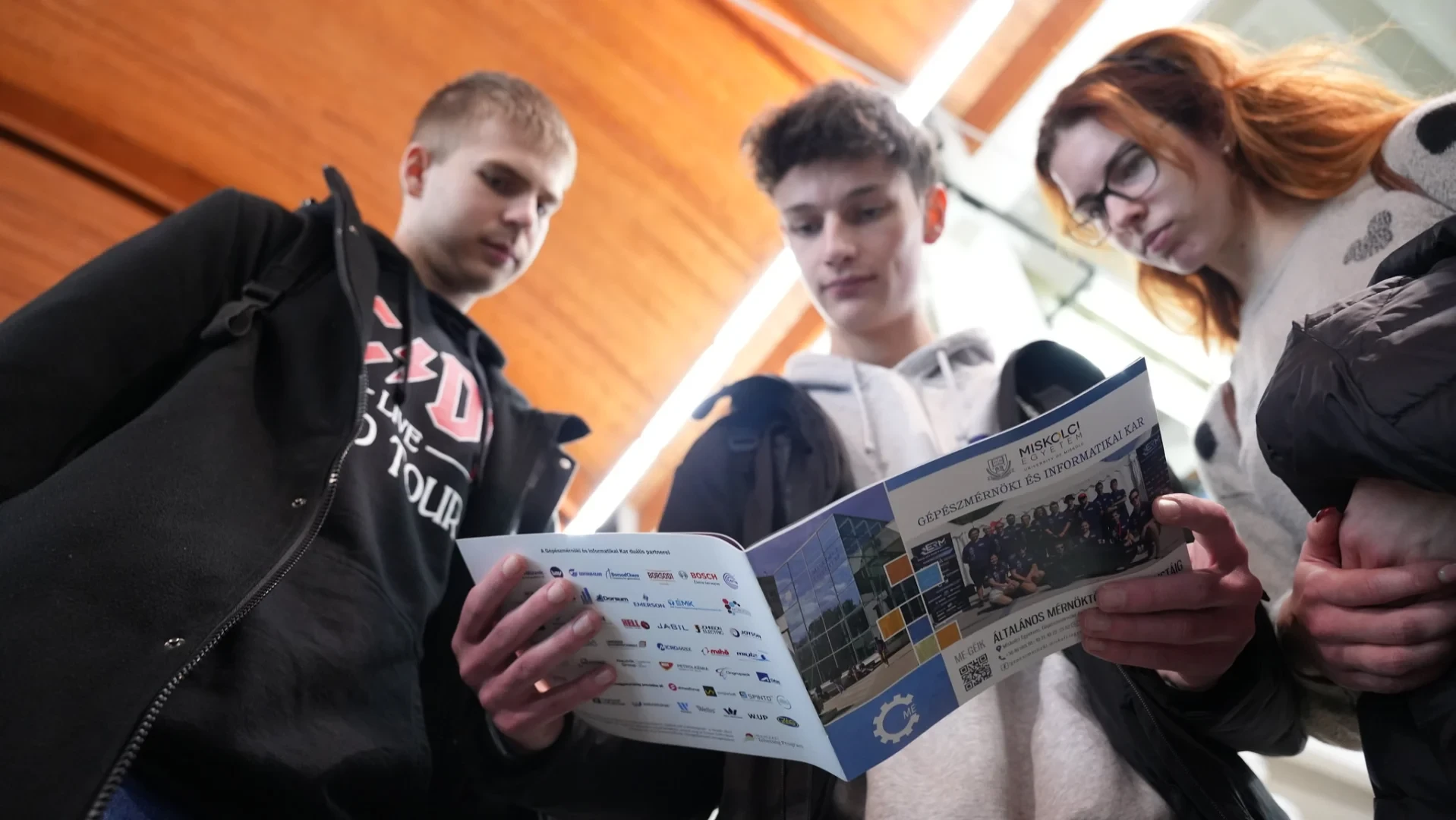
At the closing event, participants were able to gain insight into various aspects of the project, the implementation process, and the results achieved through short films, and then familiarized themselves with the modern equipment acquired as part of the project during lab visits.
The DigitALL project was implemented as part of Hungary’s Recovery and Resilience Plan and will help the University of Miskolc become an even more competitive and innovative institution that can adapt more quickly to change in the future.